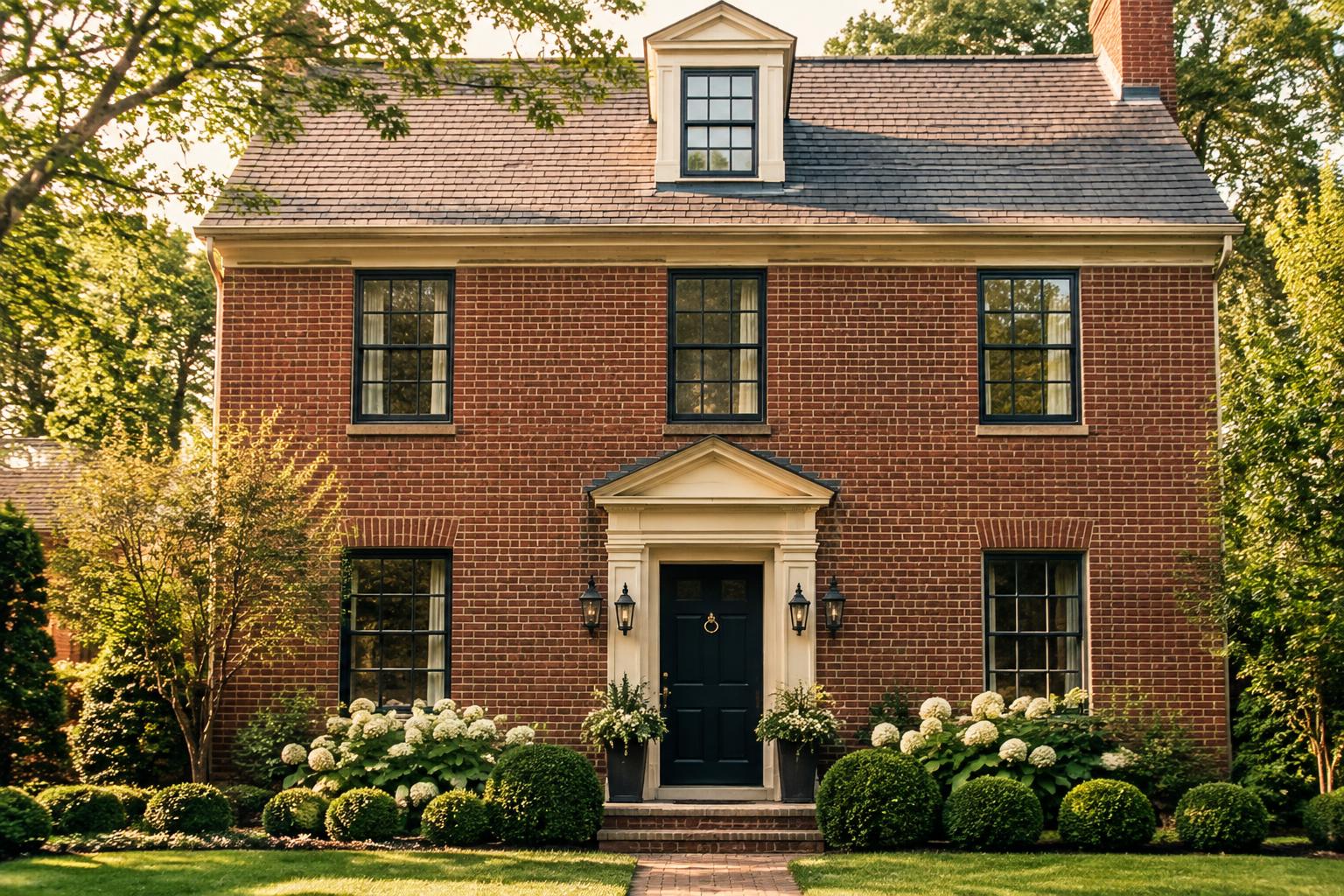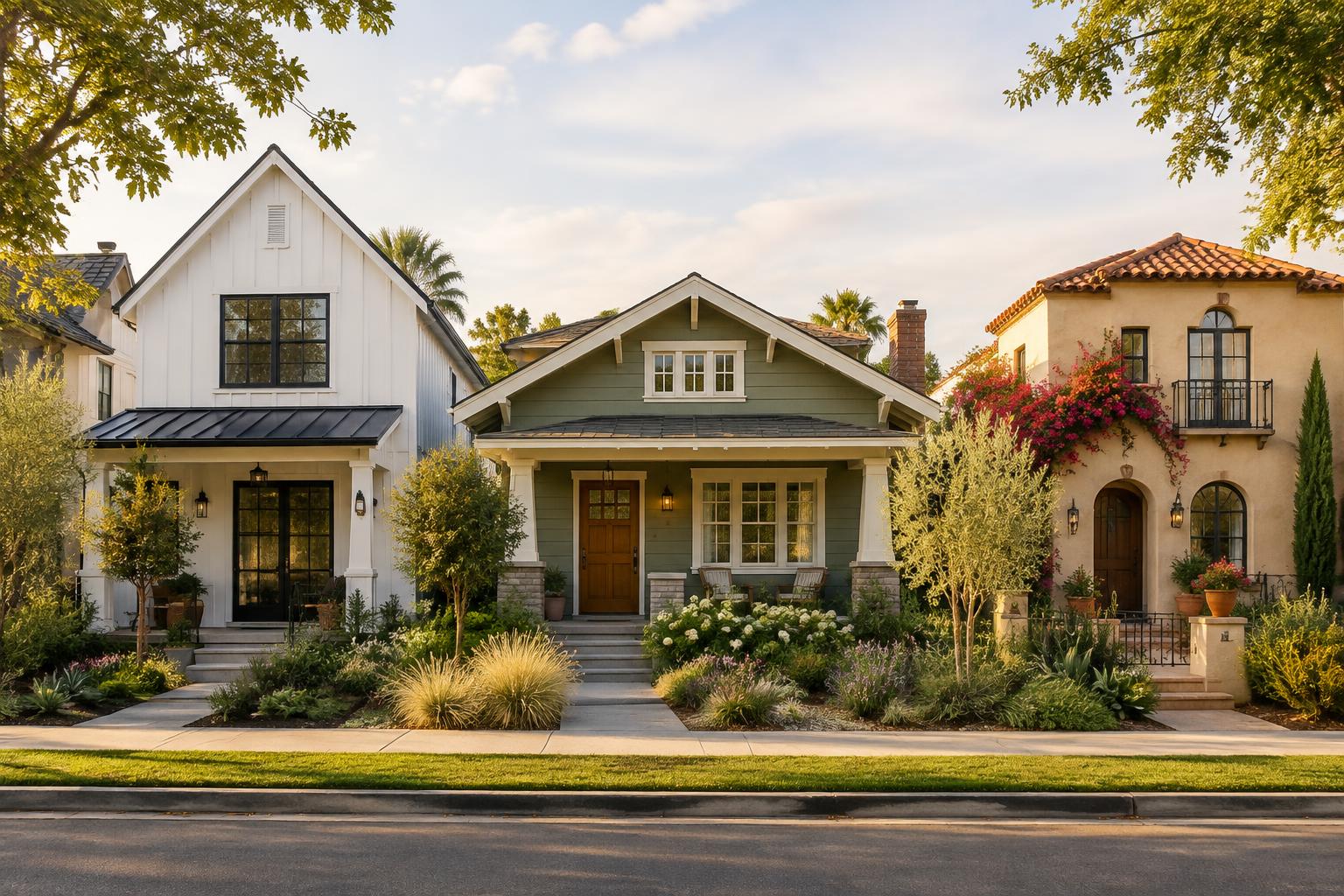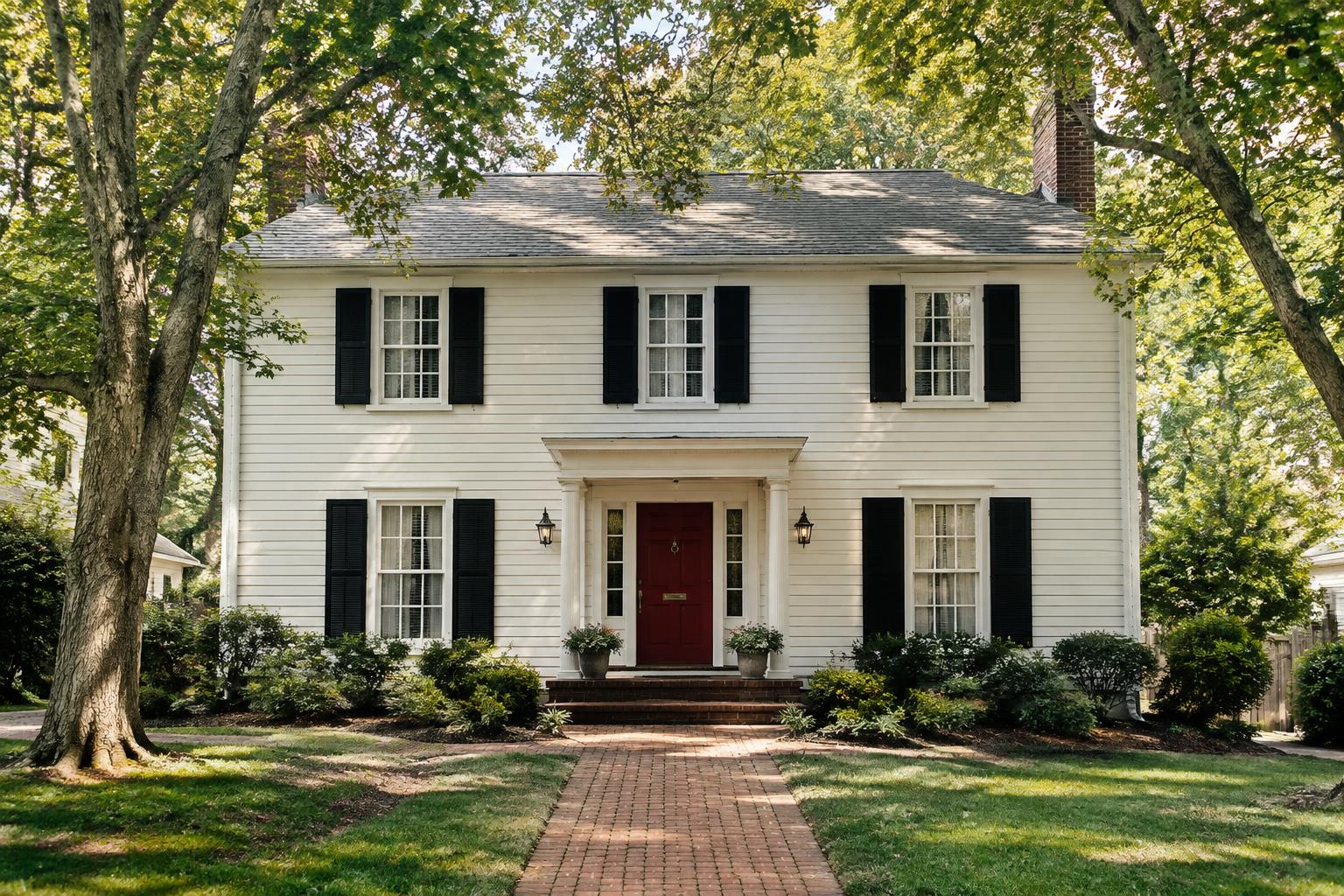
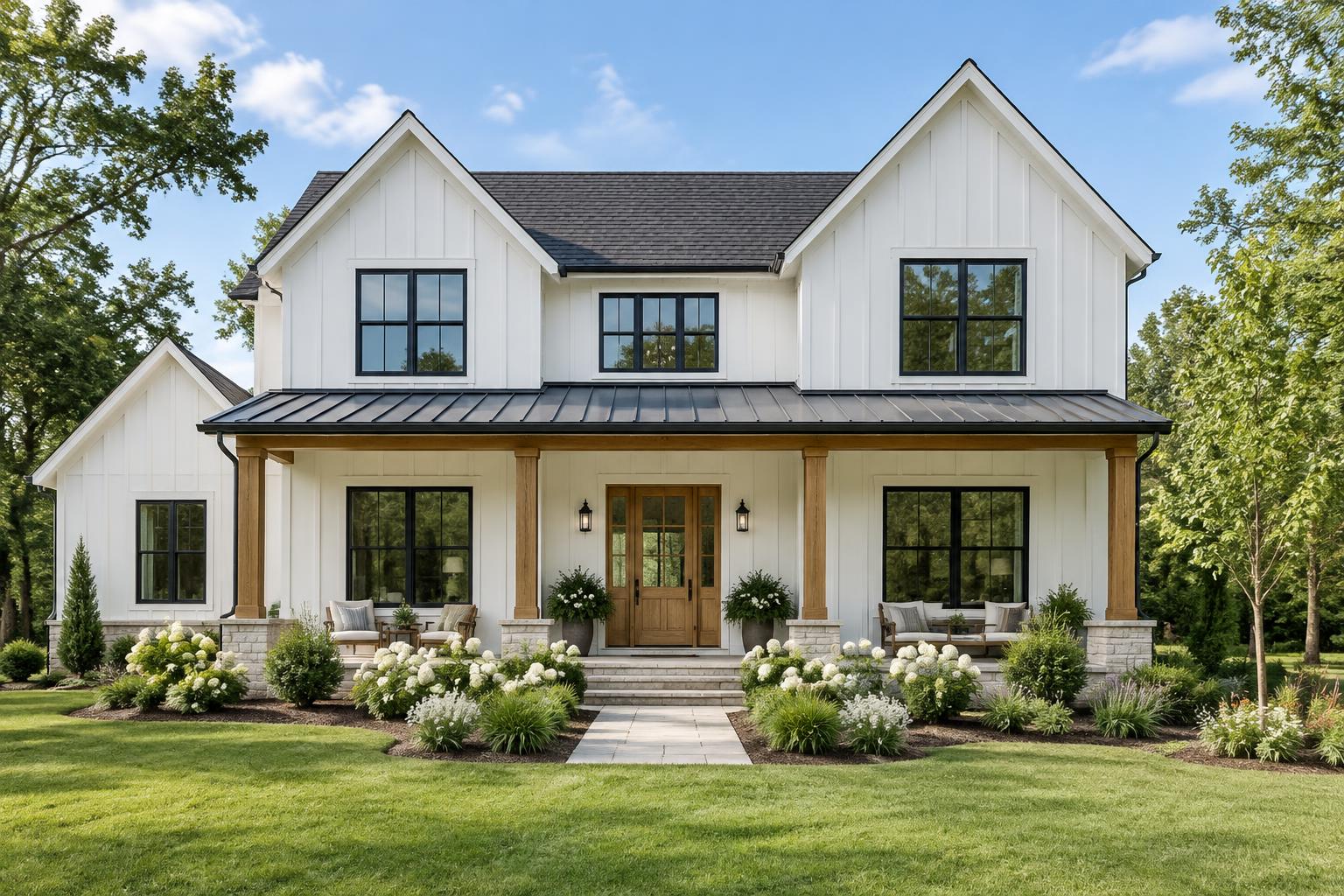
Modern farmhouse homes combine the warmth of traditional country houses with the clean lines of contemporary architecture. One of the easiest ways to achieve this look is by choosing an exterior color palette that feels fresh, welcoming, and timeless. From classic white siding with black windows to earthy sage green and warm beige, the right color combination can transform your home’s curb appeal without relying on short-lived trends. In this guide, you’ll discover 12 modern farmhouse exterior color schemes, learn which materials and accents complement each palette, and find practical tips for choosing colors that work beautifully with your home’s architecture.
Why Modern Farmhouse Exterior Colors Work So Well
Modern farmhouse exteriors typically balance three elements: a dominant siding color, a complementary trim color, and one or two accent finishes. The most successful palettes often draw inspiration from natural materials, including wood, stone, brick, and surrounding greenery. They also create contrast without making the house feel visually busy. When choosing your colors, consider these factors: Architectural style: Board-and-batten siding, metal roofing, large windows, and simple trim influence how colors appear. Natural light: A color can look different in bright sunshine, shade, and overcast conditions. Roof and masonry: Existing shingles, stonework, or brick should complement your new palette. Surroundings: Trees, landscaping, neighboring homes, and the natural environment can influence your choice. Long-term appeal: Neutral foundations with carefully chosen accent colors are easier to update over time. Let’s explore 12 color combinations that can give your home a timeless modern farmhouse look.
1. Classic White and Black
Best for: A crisp, contemporary farmhouse with strong architectural contrast. White siding paired with black windows, trim, and a dark roof is one of the most recognizable modern farmhouse combinations. It creates a clean appearance while emphasizing gables, window frames, and other architectural details. Main siding: Soft white or clean white. Windows and accents: Matte black or deep charcoal. Front door: Natural wood or black. Roof: Charcoal gray or black. For a softer result, choose an off-white siding color rather than a stark, bright white. A natural wood porch ceiling or front door can prevent the exterior from feeling too stark. This combination works particularly well on homes with board-and-batten siding, symmetrical windows, and simple rooflines.
2. Sage Green and White
Best for: Homeowners who want a natural, calming exterior. Sage green introduces color without overwhelming the classic farmhouse aesthetic. Its muted undertones complement gardens, mature trees, stone pathways, and natural wood. How to create the look: Main siding: Muted sage green. Trim: Warm white. Windows: Black or dark bronze. Front door: Natural oak or medium brown wood. Sage green works beautifully on both traditional farmhouse shapes and modern homes with large windows. Pairing it with warm white trim creates a softer contrast than using bright white. For an especially cohesive look, repeat the wood tone in porch posts, planters, or outdoor furniture.
3. Warm Beige and Cream
Best for: A welcoming farmhouse with a softer, more traditional appearance. Beige and cream create a warm, understated palette that feels less stark than white and black. These shades are especially attractive when a home features stonework, wood accents, or a landscaped front yard. How to create the look: Main siding: Warm beige or light greige. Trim: Creamy white. Front door: Dark brown or charcoal. Roof: Weathered gray or dark brown. The key is to choose beige and cream shades with compatible undertones. A pinkish beige beside a yellow-toned cream can look mismatched, so compare samples in natural light before committing. Add dark window frames or a contrasting front door if you want more definition.
4. Charcoal Gray and White
Best for: A bold, sophisticated modern farmhouse. Charcoal gray offers a dramatic alternative to white siding while retaining a neutral, versatile appearance. White trim creates contrast, and natural wood accents soften the darker exterior. How to create the look: Main siding: Charcoal gray. Trim: Soft white. Windows: Black. Front door: Natural wood or warm walnut. Landscaping: Green shrubs and ornamental grasses. This palette works particularly well on homes with steep gables, clean siding lines, and large windows. If you choose dark siding, pay attention to sun exposure and the product manufacturer’s recommendations. Dark finishes can absorb more heat, and some siding materials have specific restrictions on suitable paint colors.
5. Navy Blue and White
Best for: A classic farmhouse with a little more personality. Navy blue delivers depth and character while remaining a traditional, adaptable color. Combined with white trim, it produces a polished exterior that suits both rural and suburban settings. How to create the look: Main siding: Deep navy blue. Trim: White or soft ivory. Front door: Natural wood, black, or muted red. Roof: Charcoal gray. Navy blue works particularly well when the architecture includes white porch railings, simple columns, and prominent window frames. To keep the palette timeless, choose a deep, slightly muted navy rather than an unusually bright blue. A restrained color palette allows the architecture to remain the focus.
6. Black and Natural Wood
Best for: A contemporary farmhouse with a dramatic, minimalist exterior. Black siding paired with natural wood creates a striking combination of dark, modern finishes and warm organic texture. The wood provides contrast without introducing another competing color. How to create the look: Main siding: Black or near-black. Trim: Black or a subtle dark neutral. Front door and porch: Natural oak, cedar, or walnut tones. Additional materials: Pale stone or concrete. This combination is especially effective on modern farmhouses with simple rooflines, large windows, and strong geometric forms. Use wood strategically around the entryway, porch ceiling, or garage door. Too many different wood tones can make the exterior feel less coordinated. Remember that natural wood requires an appropriate protective finish and periodic maintenance, depending on the species and exposure.
7. Greige and Black
Best for: Homeowners who want a neutral exterior that feels warmer than gray. Greige combines gray and beige undertones, making it a versatile foundation for a modern farmhouse. Black windows and accents provide definition, while the warmer siding color keeps the overall design inviting. How to create the look: Main siding: Light or medium greige. Trim: Soft white or matching greige. Windows: Black. Front door: Warm wood or dark bronze. Roof: Charcoal gray. Greige is particularly useful when pure gray feels too cool but beige seems too traditional. Before selecting a shade, compare it with your roof and stonework. Some greiges lean noticeably purple, green, or pink under particular lighting conditions, so test large samples on multiple sides of the house.
8. Cream and Dark Bronze
Best for: A refined farmhouse with warm, understated contrast. Cream siding creates a softer appearance than bright white. Dark bronze window frames, lighting, and hardware add definition without the sharper contrast of pure black. How to create the look: Main siding: Warm cream. Trim: Ivory or a slightly lighter cream. Windows and hardware: Dark bronze. Front door: Medium or dark natural wood. Roof: Deep brown or charcoal. This palette suits homes with natural stone, traditional rooflines, and substantial porch details. For a cohesive exterior, repeat the bronze finish in outdoor sconces, door hardware, and other small details rather than introducing several competing metal finishes.
9. Dusty Blue and White
Best for: A relaxed farmhouse with a subtle coastal influence. Dusty blue brings a gentle hint of color to the exterior without looking overly bright. White trim keeps the palette fresh, while wood accents add warmth. How to create the look: Main siding: Muted blue-gray. Trim: Soft white. Windows: Black, charcoal, or white. Front door: Natural wood or deep navy. Roof: Medium or dark gray. This combination works well with white porch railings, simple landscaping, and light-colored stone paths. For a more traditional farmhouse look, choose a subdued blue-gray. If you prefer a contemporary finish, pair it with black window frames and restrained landscaping.
10. Olive Green and Warm White
Best for: A farmhouse that blends naturally into its surroundings. Olive green is earthier and deeper than sage green. It creates a grounded exterior that looks particularly attractive among trees, gardens, and natural stone. How to create the look: Main siding: Muted olive green. Trim: Warm white. Front door: Walnut, cedar, or deep brown. Roof: Charcoal or weathered gray. Olive green can make a farmhouse feel established and distinctive without depending on high-contrast black-and-white styling. Because darker greens may look different in shaded areas, test your preferred shade in both direct sunlight and shadow. Pairing olive siding with a restrained trim color helps maintain a balanced appearance.
11. Light Gray and White
Best for: A clean, understated farmhouse with a cool neutral palette. Light gray siding offers a subtle alternative to white. It works especially well when you want a fresh exterior without a stark, all-white finish. How to create the look: Main siding: Light gray. Trim: White. Windows: Black or dark gray. Front door: Natural wood or navy blue. Roof: Charcoal gray. The main consideration is undertone. Blue-gray shades create a cooler appearance, while gray colors with beige undertones feel warmer. Choose a gray that complements your roof and any permanent stone or brick features. If everything is too similar in tone, the exterior may lack definition, so use trim or a front door to create a focal point.
12. White, Stone, and Natural Wood
Best for: A farmhouse that emphasizes texture and natural materials. Not every successful exterior palette needs three contrasting paint colors. White siding, natural stone, and warm wood create visual interest through differences in texture rather than color alone. How to create the look: Main siding: Soft white. Trim: White or ivory. Stone: Natural gray, beige, or mixed earth tones. Wood: Cedar, oak, or walnut. Windows: Black or dark bronze. This combination works particularly well on homes with stone foundations, chimneys, porch columns, or entryway details. The most important step is to coordinate the undertones of your stone and siding. If the stone is predominantly warm beige, a compatible warm white will often feel more harmonious than a very cool white. Use wood accents to connect the different materials and give the exterior a welcoming finish.
How to Choose the Best Modern Farmhouse Color Scheme
With so many attractive options, narrowing down your palette can feel difficult. A simple process can help you avoid expensive mistakes. 1. Start with the roof Your roof is one of the largest permanent color elements on the exterior. Identify whether it is black, charcoal, gray, brown, or another shade before selecting siding. For example, white siding and black accents suit many dark roofs, while warm beige and cream can complement brown or weathered-gray roofing. 2. Choose the main siding color The siding color establishes the overall mood of the home. Decide whether you prefer a bright, neutral appearance, a warm earthy palette, or a deeper, more dramatic exterior. Choose the main color first, then coordinate the trim and accents around it. 3. Coordinate the trim and windows Trim should complement the siding rather than compete with it. White trim creates a crisp finish, while cream produces softer contrast. Black and bronze window frames add definition. You do not necessarily need to paint every exterior detail the same color. Garage doors, shutters, gutters, and window frames can each play a different role in the overall palette. 4. Use natural materials to add warmth Wood, stone, and brick can prevent a neutral farmhouse exterior from feeling flat. A natural wood front door, stone chimney, or cedar porch ceiling adds texture without requiring additional paint colors. 5. Test paint samples before committing Never rely on a small paint chip alone. Apply sample colors to a larger surface and observe them at different times of day. Check how the colors look in full sun, shade, and cloudy conditions. If you are comparing several options, place the samples beside the actual roofing, trim, or masonry they will need to complement.
Common Mistakes to Avoid
Even attractive paint colors can disappoint when they are used without considering the whole house. Choosing colors independently: Siding, trim, roofing, windows, and stone should be evaluated together. Using too many competing accents: A clear main color, supporting trim color, and limited accent palette often create a more cohesive result. Ignoring undertones: Two whites or grays may clash even when they appear similar on a screen. Following trends without considering architecture: A popular shade may not suit your home’s materials, roof, or surroundings. Skipping sample testing: Lighting can change the way exterior colors appear, so always test before painting. Neglecting material requirements: Some siding products have restrictions on paint colors or finishes. Follow the manufacturer’s guidance.
What is the most timeless modern farmhouse exterior color?
White siding with black or dark bronze accents is a classic modern farmhouse choice. However, warm white, beige, greige, sage green, and muted gray can also create lasting appeal when they complement the architecture and surrounding materials.
Are modern farmhouse exteriors always white?
No. White is popular, but modern farmhouse homes can also look beautiful in sage green, navy blue, charcoal gray, olive green, beige, and greige. The best choice depends on the home’s design, lighting, roof, and permanent exterior finishes.
What trim color works best with modern farmhouse siding?
White trim is a versatile option for many siding colors. Warm white works well with beige and earthy greens, while black or dark bronze can create stronger contrast with lighter siding. The best trim color depends on the desired effect and the other exterior materials.
Are dark farmhouse exterior colors a good choice?
Dark colors can create a dramatic, contemporary look, particularly when paired with natural wood and lighter stone. However, they may absorb more heat and can have different durability or application requirements depending on the siding material and paint system. Check the manufacturer’s recommendations before choosing a dark finish.
How many colors should a farmhouse exterior have?
A practical starting point is two or three coordinated colors: one dominant siding color, a trim color, and an accent color. Natural stone, brick, and wood can introduce additional tones without necessarily requiring more paint colors.
Final Thoughts
The best modern farmhouse exterior color schemes combine timeless shades with thoughtful contrast and natural texture. Whether you prefer classic white and black, calming sage green, warm beige, or dramatic charcoal, the goal is to create a palette that complements your home’s architecture and feels cohesive from every angle. Start with your roof and permanent materials, choose a siding color that suits the look you want, and use trim and accents to bring everything together. Most importantly, test your paint samples before making a final decision. Save your favorite farmhouse exterior color combination and use it as inspiration for your next home makeover.
The cover image is AI-generated design inspiration. The supplied PDF describes twelve color schemes without swatch images or branded paint codes. Colors shown are illustrative; test physical samples before choosing paint.