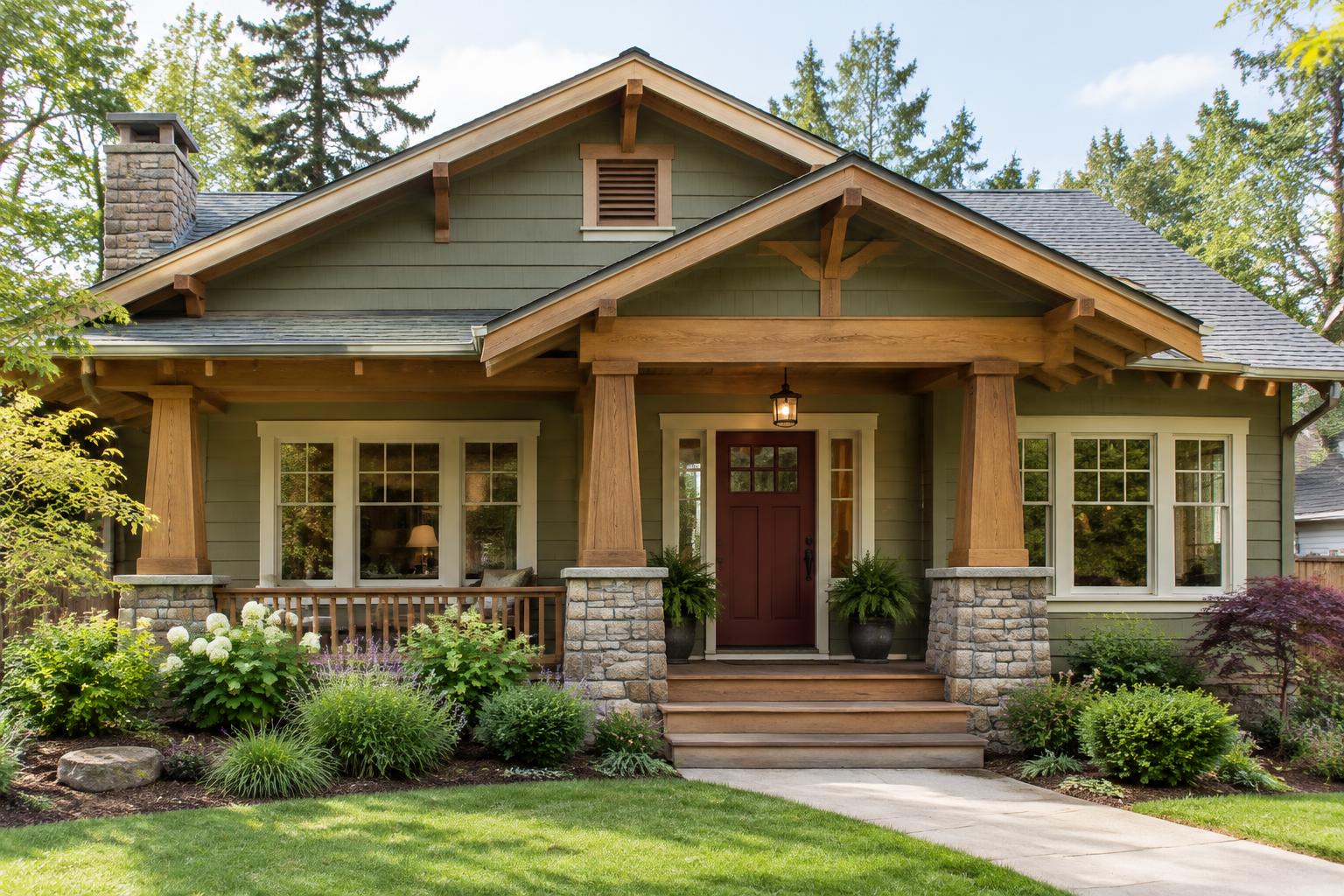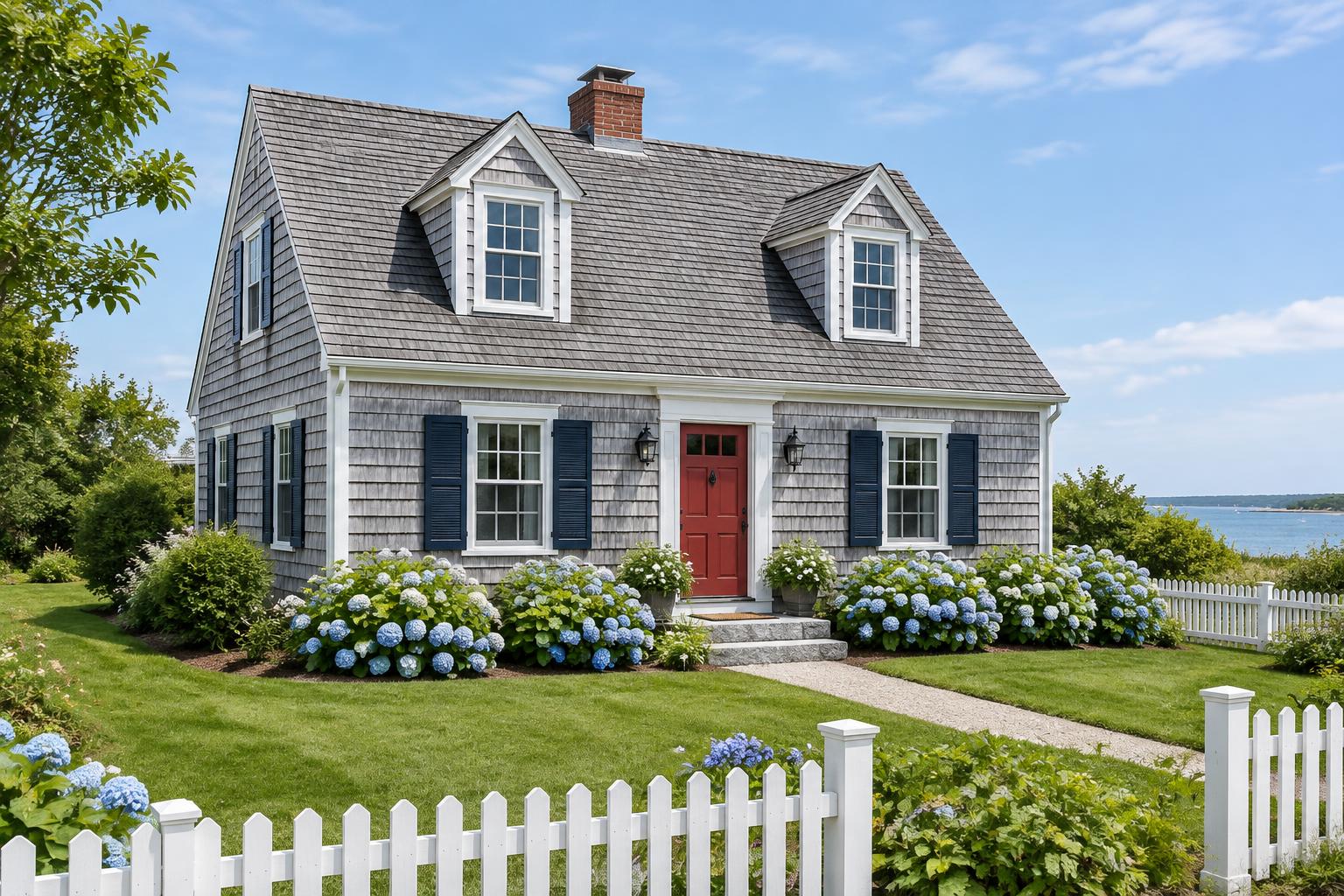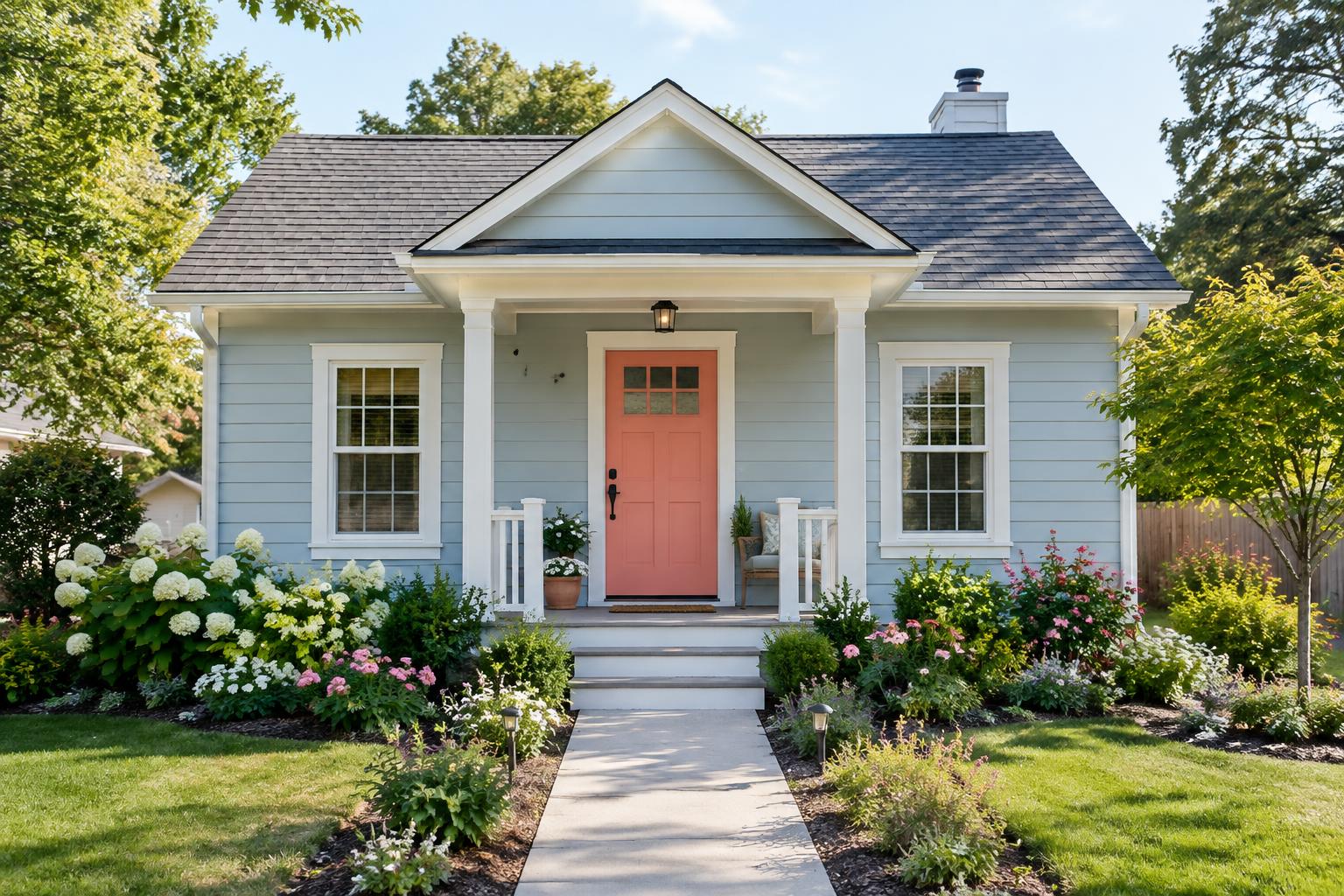
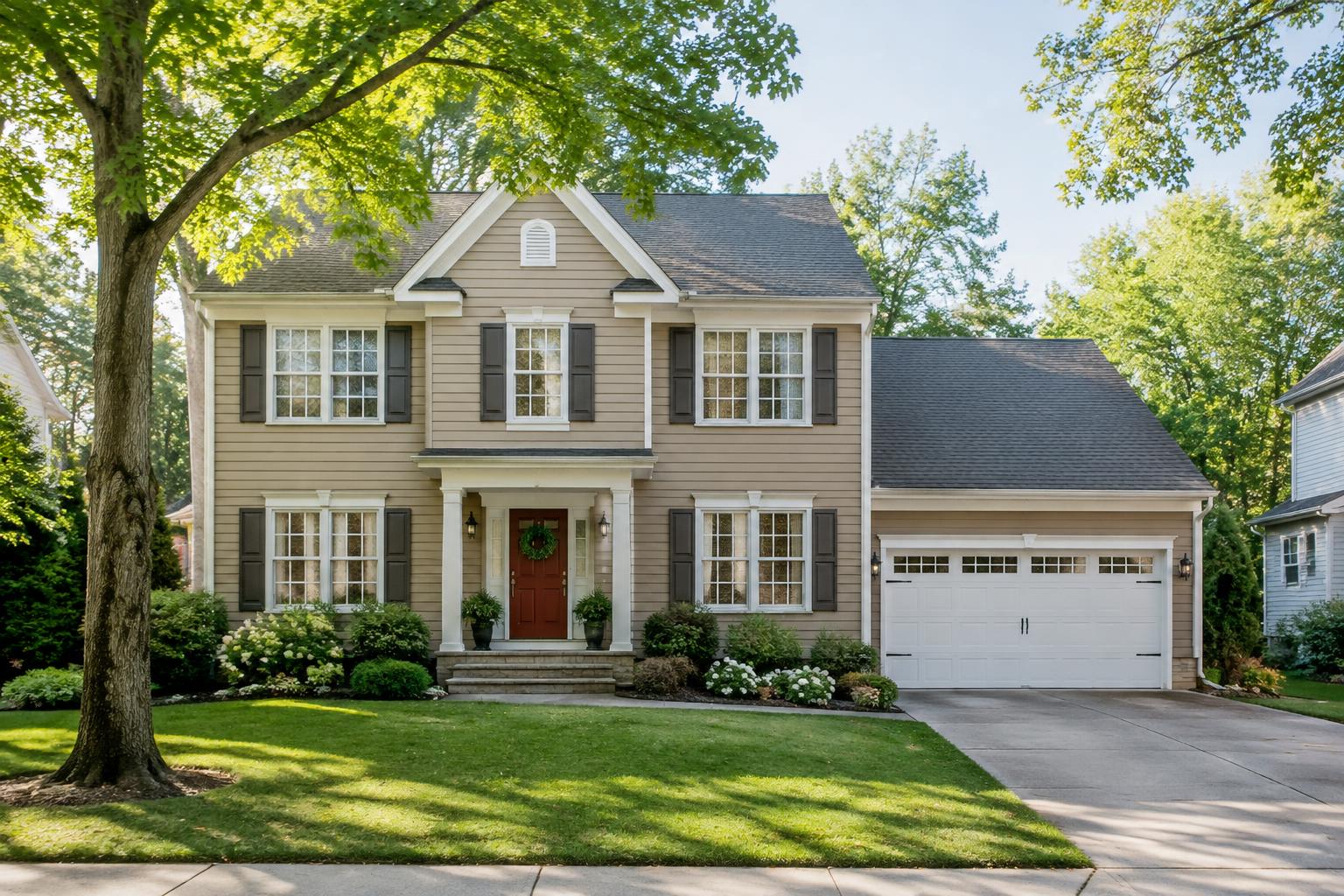
The suburban traditional home is one of the most familiar sights in America. Two stories or a roomy single level, a front-facing garage, symmetrical windows, a covered stoop or porch and a tidy lawn out front. It is a style built for family life, and its exterior colors should feel just as comfortable: balanced, welcoming and quietly confident. Choosing a palette for a suburban traditional home is a little different from choosing one for a farmhouse or a cottage. The house sits among neighbors, the garage takes up a big part of the facade, and the roof and brick are usually fixed. The right colors help your home look polished and cared for while still feeling like yours. This guide explains how to choose, then shares ten palettes with body, trim, shutter and door colors, complete with hex codes.
What Defines Suburban Traditional Style
Suburban traditional homes share a set of features that guide color choices. • Symmetry and balance. Windows are evenly spaced, and the front door is often centered or paired with a gable. • Mixed materials. Siding, brick or stone accents, and shingled roofs all appear on the same facade. • Shutters. Painted shutters add contrast and a classic finishing touch. • A prominent garage. The garage door is a big color decision that affects the whole front of the house. • A friendly entry. The front door is the natural place for a personal accent color.
Start with What You Cannot Change
Before choosing a body color, look at what is fixed on your home. • Roof: Gray, black and brown roofs all lean cool or warm. Hold paint chips against your actual roofing in daylight. • Brick and stone: If part of your facade is masonry, pull your trim and door colors from its undertones. • Driveway and walkway: Concrete can look warm or cool, so check it beside your paint chips. • Neighborhood and HOA rules: Many suburbs have guidelines or approved color lists, so check before you buy paint. • Landscaping: Mature trees, shrubs and flower beds are part of your palette.
Think About the Garage Door
On many suburban homes the garage is the largest single element on the front. You have three simple choices. • Blend in: Paint the garage door the body color so it almost disappears. • Recede: Choose a color one or two shades deeper than the body for gentle definition. • Match the trim or shutters: This ties the garage to the rest of the facade and creates a clean, tailored look. Whichever you choose, keep the front door as the star by making it the boldest color on the front.
10 Suburban Traditional Color Palettes
The swatches and hex codes below are close on-screen approximations. Always bring them to your paint store for matching and test real samples on your home before you buy.
1. Classic Greige with Crisp White
Greige is the quintessential suburban neutral. It works with nearly any roof and brick, and charcoal shutters with a red door make a traditional, welcoming facade. Best for: Two-story colonials and homes with brick or stone accents.
2. Soft Gray with Navy Shutters
A light gray feels clean and current, while navy shutters add a classic, tailored touch. A red door gives it a friendly pop. Best for: Homes with gray or black roofs and white garage doors.
3. Warm Beige with Forest Green
Beige with green shutters is a timeless suburban combination. Cream trim keeps it warm, and a brick red door adds richness. Best for: Homes with brown roofs and traditional landscaping.
4. Light Taupe with Black Shutters
A soft taupe feels grounded and polished. Black shutters add crisp contrast, and a deep green door looks elegant against the warm body. Best for: Homes with brick accents and dark roofs.
5. Creamy Yellow with Blue Shutters
A gentle yellow brings sunshine to the street, while blue shutters add a refreshing contrast. A coral red door gives it plenty of charm. Best for: Cheerful family homes on shady, tree-lined lots.
6. Sage with Cream and Burgundy
Sage is calm and natural, and it blends beautifully with mature landscaping. Cream trim and a burgundy door make it feel refined. Best for: Homes surrounded by trees and gardens.
7. Cool White with Charcoal
A clean white body with charcoal shutters and a wood door feels fresh and updated while still being traditional. Best for: Updated suburban homes with gray roofs and modern lighting.
8. Blue-Gray with White Trim
A soft blue-gray feels calm and airy. A coral door adds a lively accent against the cool body color. Best for: Homes with gray roofs and light concrete driveways.
9. Cream Siding for Brick Homes
Cream siding pairs beautifully with red or tan brick. Dark brown-black shutters add definition, and a navy door gives a classic finish. Best for: Brick-and-siding homes with brown or black roofs.
10. Deep Taupe with Cream and Gold
A richer taupe gives a suburban home a custom, upscale feel. Cream trim lightens it, and a mustard door adds a warm glow. Best for: Larger homes that want a bolder, more sophisticated look.
How to Keep Your Home Neighborhood-Friendly
A suburban home looks best when it fits in and still feels special. • Look at your street. Note the colors of nearby homes so your palette is distinct but harmonious. • Choose timeless colors. Neutrals and classic accents hold up better than trends when you sell. • Mind HOA guidelines. Many neighborhoods have approved color lists, so check early. • Make the front door the star. A bold door is an easy, low-risk way to add personality. • Coordinate the details. Gutters, downspouts and garage doors should match the trim, body or shutters.
Choosing the Right Finish
The sheen of your paint affects both appearance and durability. • Siding: flat or low-sheen finishes look soft and hide imperfections. • Trim and shutters: satin or semi-gloss helps the details stand out and wipes clean easily. • Front door: semi-gloss or gloss gives a polished, durable finish. • Garage door: satin or semi-gloss handles scuffs and frequent use. Always follow the product label for temperature range, primer needs and drying times.
How to Test Your Colors
Suburban homes often face the street and the sun in different ways, so testing matters. 1. Paint large samples, at least two feet square, on primed boards. 2. Place them on every side of the house. Light changes from wall to wall. 3. Check them at different times of day, including morning, midday and evening. 4. Compare them next to your roof, brick and driveway. 5. Step back to the street and view the colors from where neighbors and guests will see them.
Common Mistakes to Avoid
• Ignoring the roof and brick. These are fixed, so compare undertones side by side. • Choosing a trim color that is too close to the body. Traditional style depends on gentle contrast to outline details. • Using too many colors. Three or four colors plus the roof are plenty. • Skipping the test. A color that looks perfect on a chip can look very different on a large wall. • Forgetting neighborhood rules. Confirm HOA guidelines before you buy paint.
Final Thoughts
A suburban traditional home is at its best when its colors feel balanced, welcoming and well considered. Start with your roof and masonry, choose a body color that suits them, add crisp trim and shutters and finish with a door that makes you smile when you pull into the driveway. Test your samples in real light, take your time and trust your eye. With a thoughtful palette, your home will look polished, inviting and timeless for years to come.
The cover image is AI-generated. House color examples use the hex codes supplied in the article. These are close on-screen approximations, not exact paint matches; test real samples on your home before buying.