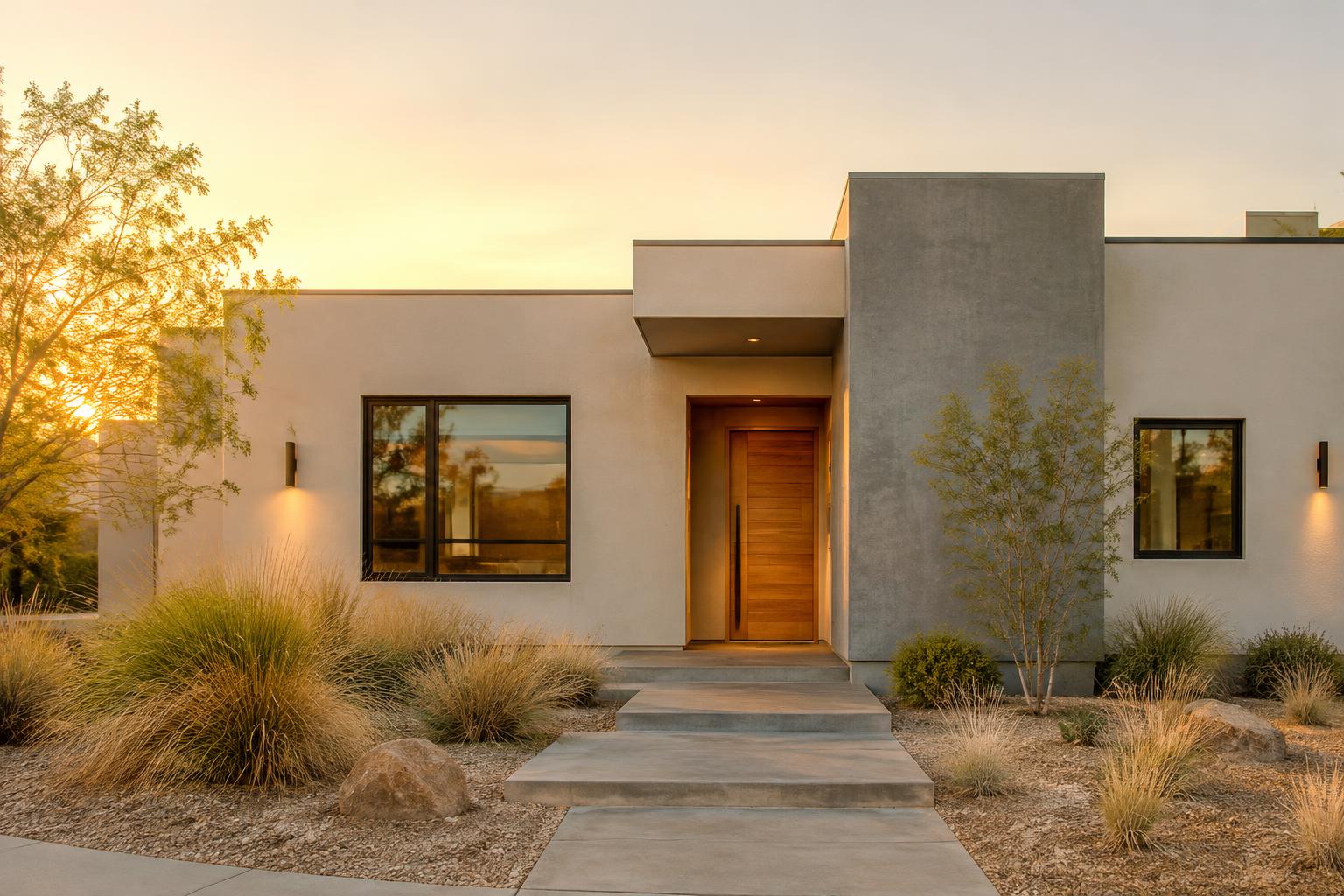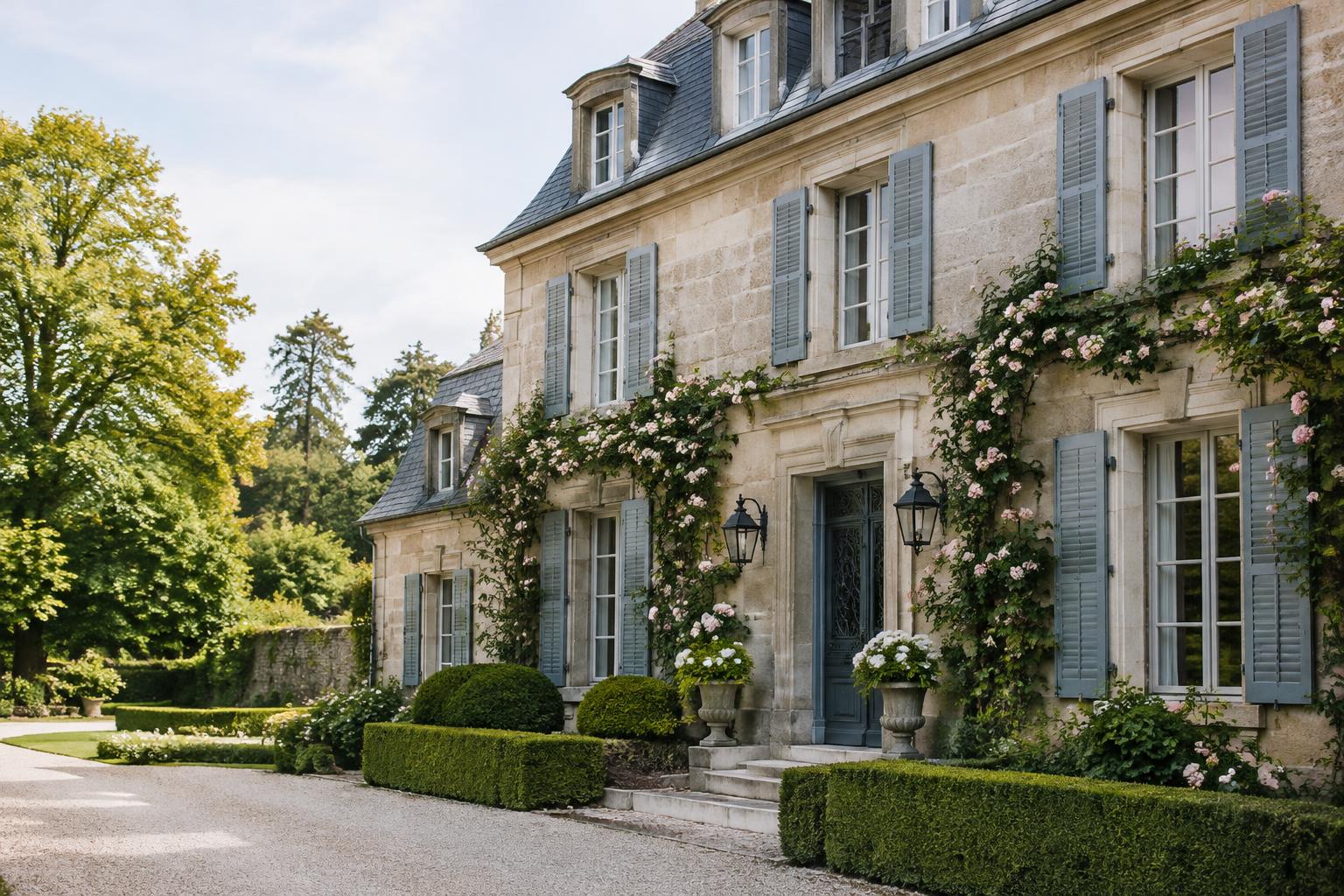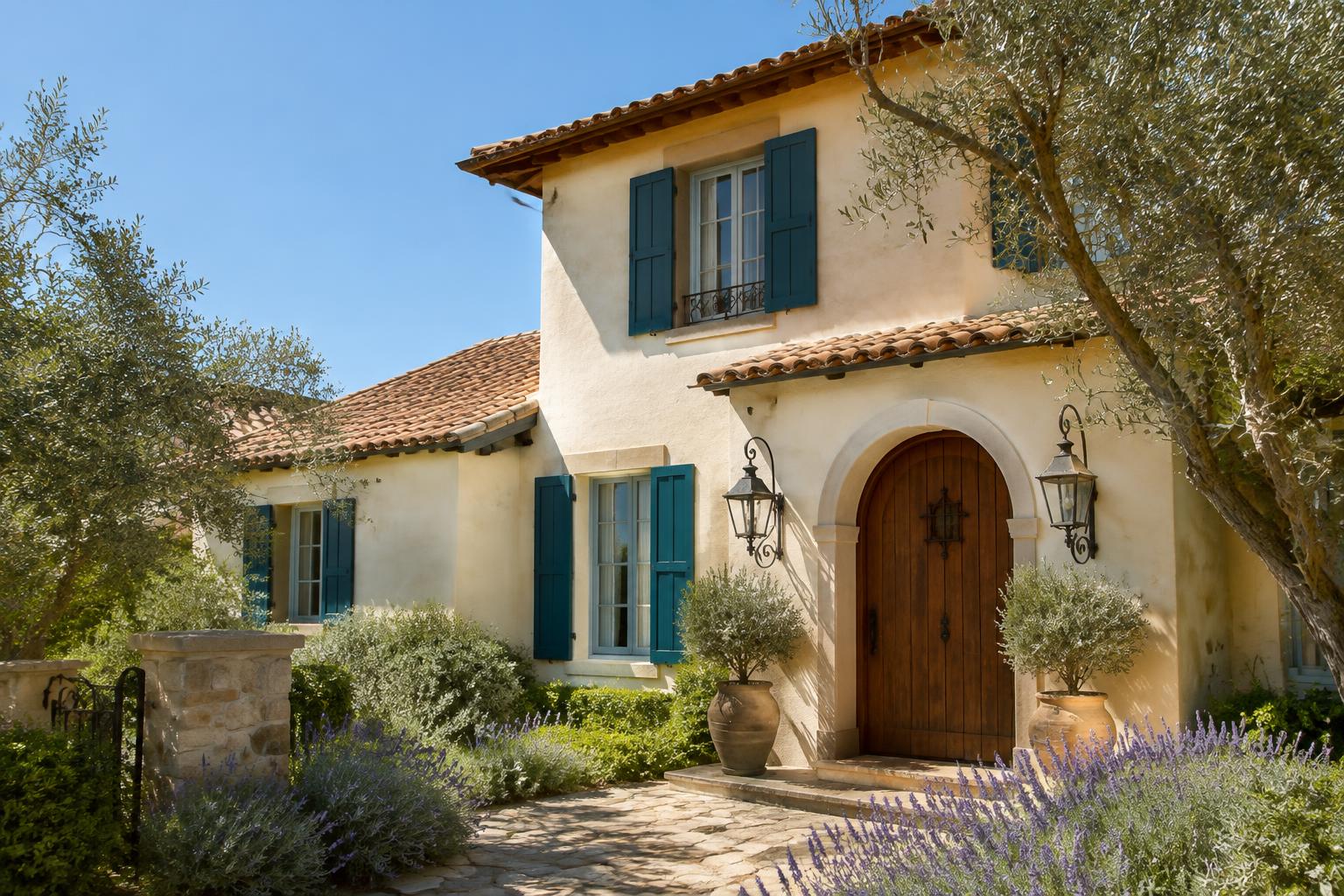
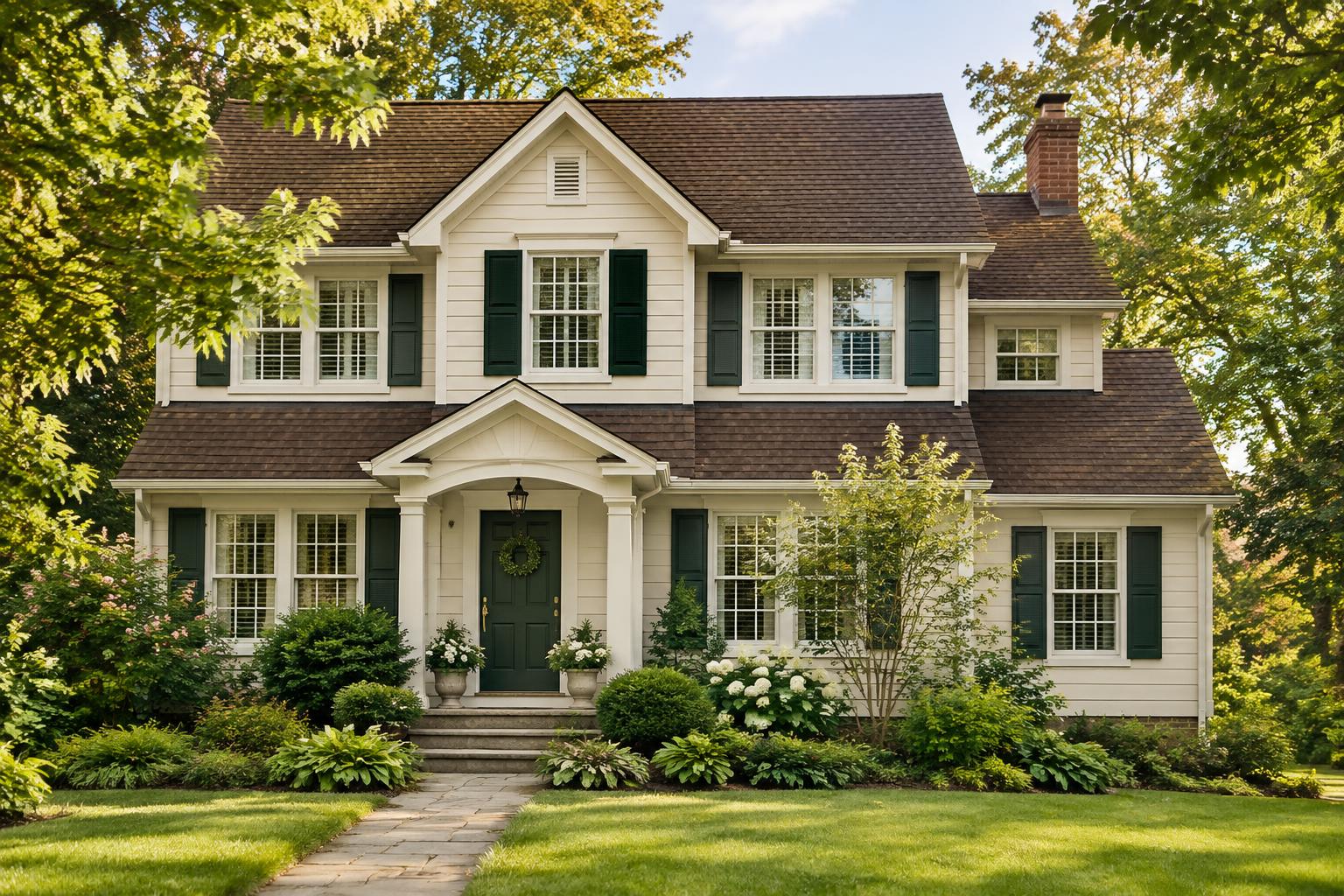
A brown roof is one of the most common and most flexible roofing colors in the country. It is also one of the most misunderstood. Many homeowners worry that brown will clash with their siding, or that it limits them to beige. In reality, a brown roof is a warm, natural foundation that works with a surprisingly wide range of colors, from creamy whites and soft sage to navy, deep green and even brick red. The key is understanding your roof’s undertone and choosing exterior colors that either match it or contrast with it on purpose. This guide walks through how to do that, then shares ten complete palettes with body, trim, shutter or door and roof colors laid out for you.
Why Brown Roofs Are Easy to Work With
Brown sits between the warm and the neutral, which makes it friendly to many palettes. It feels natural. Brown echoes wood, soil and bark, so it blends with gardens and trees. It hides dirt and aging. Brown shingles tend to look good for years, even as they weather. It pairs with many families of color. Creams, tans, greens, warm grays, blues and reds all have versions that suit brown. It warms up a cool palette. Brown softens crisp whites and grays, which keeps a home from feeling cold.
Know Your Roof’s Undertone
Not all browns are alike. Before you choose a body color, look closely at your roof in daylight and decide which family it belongs to. Red-brown (chestnut or auburn): Warm and rich. Pairs best with creamy whites, tans, sage and olive greens. Golden or tan brown: Light and sunny. Looks lovely with warm whites, soft yellows, sage and cream. Medium brown: The most common. Works with greige, soft gray with warm undertones, navy and deep green. Dark chocolate or espresso: Strong and dramatic. Looks great with cream, white, brick and soft neutral bodies. Gray-brown or weathered wood: Subtle and cool-leaning. Suits soft sage, greige and warm blue-gray. Hold a shingle sample or hold chips up to your actual roof outdoors, since photos and screens can make brown look redder or grayer than it is.
The Basic Rule: Match the Temperature
A warm roof looks best with warm or warm-neutral colors. That means choosing trims and bodies with yellow, red or beige undertones rather than icy blue or pink-gray undertones. Colors that usually work well: cream, ivory, tan, greige, sage, olive, warm gray, soft gold, brick red and navy. Colors to be careful with: stark cool gray, lavender-gray and cold bright white. These can make a brown roof look muddy or orange. Cool colors can still work. Pick versions with a touch of warmth, such as a blue-green gray or a soft navy, and test them against your roof.
10 Exterior Color Palettes for a Brown Roof
The swatches and hex codes below are close on-screen approximations. Always bring them to your paint store for matching and test real samples on your home before you buy.
1. Creamy Ivory with Hunter Green
A creamy body glows against a deep chocolate roof. Hunter green accents add a classic, timeless contrast. Best for: Traditional homes and tree-lined streets.
2. Warm Greige with a Navy Door
Greige is the easy neutral that makes brown look intentional. Navy adds a crisp, classic accent that stands out beautifully. Best for: Transitional homes and anyone who wants a calm, neutral look.
3. Soft Sage with Walnut Accents
Green and brown are natural partners. Soft sage looks peaceful beside a weathered brown roof, and walnut accents tie everything together. Best for: Cottages, craftsman homes and wooded lots.
4. Soft Tan with Brick Red
A tan body with a dark brown roof feels classic and grounded. A brick red door adds a rich, welcoming focal point. Best for: Ranch homes and traditional suburban styles.
5. Butter Yellow with Forest Green
A soft yellow looks sunny and cheerful against brown shingles. Forest green shutters give it a storybook feel. Best for: Cottages and homes that want a bright, friendly look.
6. Warm White Farmhouse with Black Windows
White siding and black windows give a modern farmhouse look. The brown roof softens the contrast, and a wood door adds warmth. Best for: Modern farmhouses and updated ranch homes.
7. Blue-Green Gray with Rust
A gray with a touch of green is a cool color that still works with brown. Cream trim and a rust door bring in warmth. Best for: Homes that want a fresh look with a little contrast.
8. Brick Red with Cream Trim
Red brick and a brown roof are a classic combination. Cream trim brightens the facade, and dark brown-black accents add definition. Best for: Brick homes and traditional neighborhoods.
9. Soft Clay with an Olive Door
A gentle clay shade feels warm and earthy beside a chestnut roof. An olive door gives it a natural, grounded look. Best for: Southwestern, Mediterranean and earth-tone homes.
10. Deep Taupe with Mustard Accents
A deep taupe body and espresso roof look rich and modern. Cream trim lightens it up, and a mustard door adds a cheerful glow. Best for: Contemporary homes and houses surrounded by greenery.
How to Use Each Color
A brown roof looks best when the rest of the palette has clear roles. Body: Choose a color with warm or neutral undertones that suits your lot and style. Trim: Cream, ivory or soft white keeps the look warm. Very bright white can look stark next to brown. Shutters and door: Deep green, navy, brick red, black-brown and mustard all look beautiful against brown shingles. Gutters and downspouts: Match the trim or the roof so they blend in. Garage door: Use the body or trim color so it does not compete with the front door.
Choosing the Right Finish
The sheen of your paint affects both appearance and durability. Siding and stucco: flat or low-sheen finishes look soft and natural. Trim and shutters: satin or semi-gloss helps the details stand out and wipes clean easily. Doors: semi-gloss or gloss gives a polished, durable finish. Porch floors: use a floor-rated enamel in satin. Always follow the product label for temperature range, primer needs and drying times.
How to Test Your Colors
Brown roofs can shift in color depending on light, so testing matters. 1. Hold a shingle sample or chip next to your paint colors outdoors. 2. Paint large samples, at least two feet square, on primed boards. 3. Move them around the house. North and south walls can look very different. 4. Check them at different times of day, including morning, midday and evening. 5. Step back to the street and look at the roof and walls together.
Common Mistakes to Avoid
Ignoring the roof undertone. A reddish roof and a pinkish gray body can clash, so compare undertones side by side. Choosing a cool, stark white. It can look harsh next to brown. Try a creamy white instead. Using too many colors. Three or four is plenty, including the roof. Skipping the test. A color that looks perfect on a chip can look very different on a large wall. Forgetting the neighborhood. Check HOA guidelines and nearby homes before you commit.
Final Thoughts
A brown roof is a warm, welcoming starting point, and it works with far more colors than most people expect. Identify your roof’s undertone, choose a body color that shares or complements it, add creamy trim and finish with an accent that makes you smile. Test your samples in real light, take your time and trust your eye. With a thoughtful palette, your home will look balanced, inviting and beautifully put together for years to come.
The cover image is AI-generated. House color examples use the hex codes from the article, which are on-screen approximations.