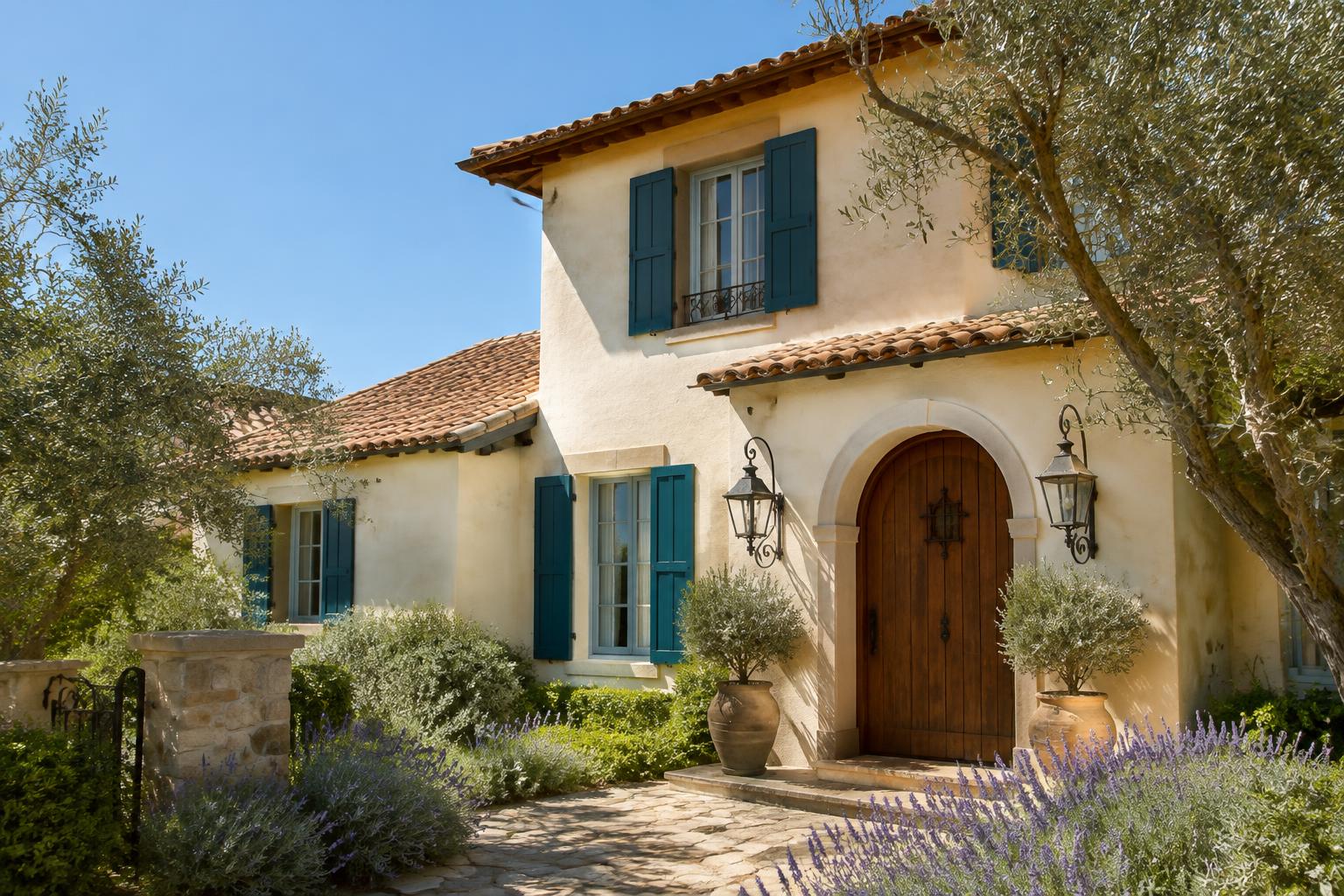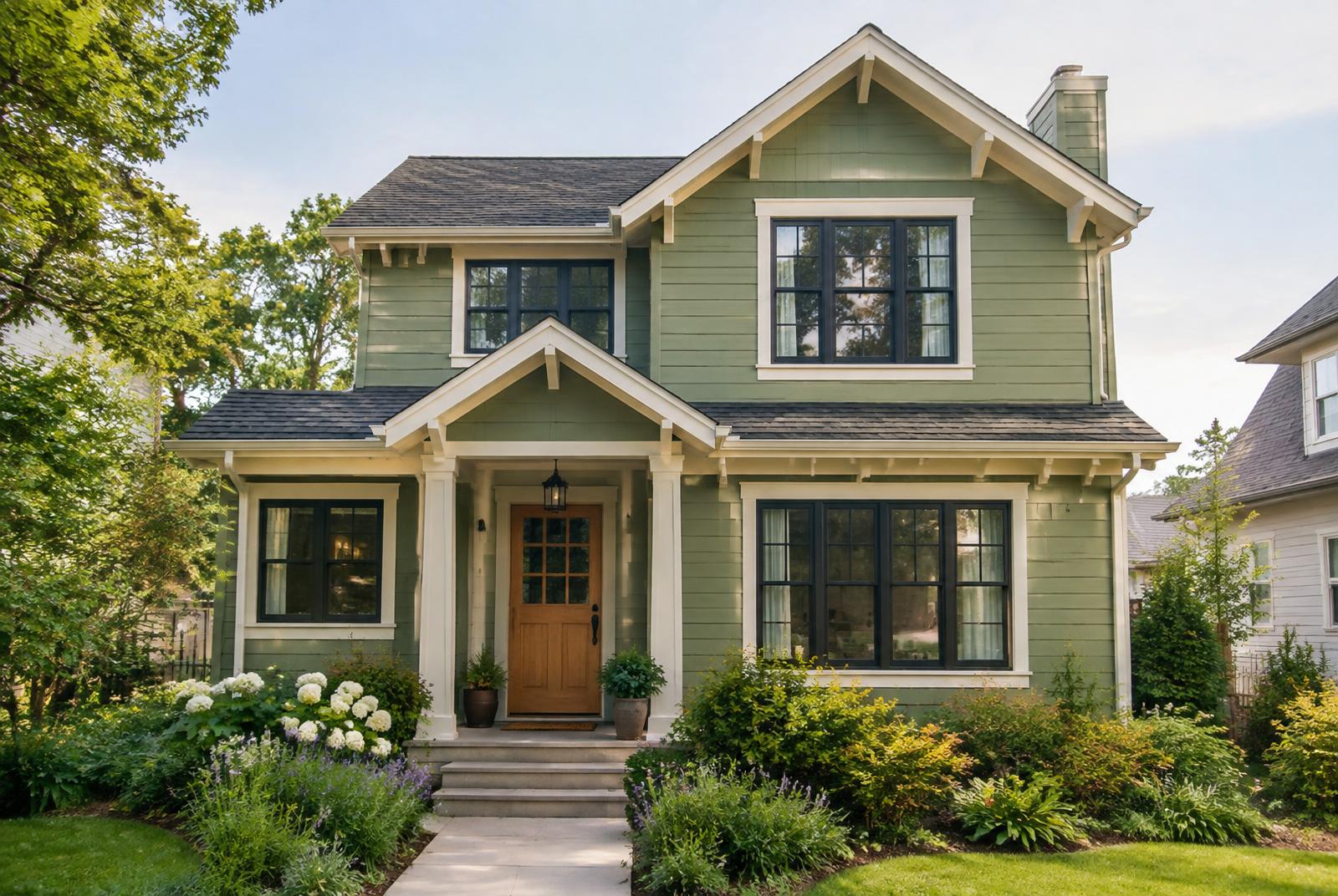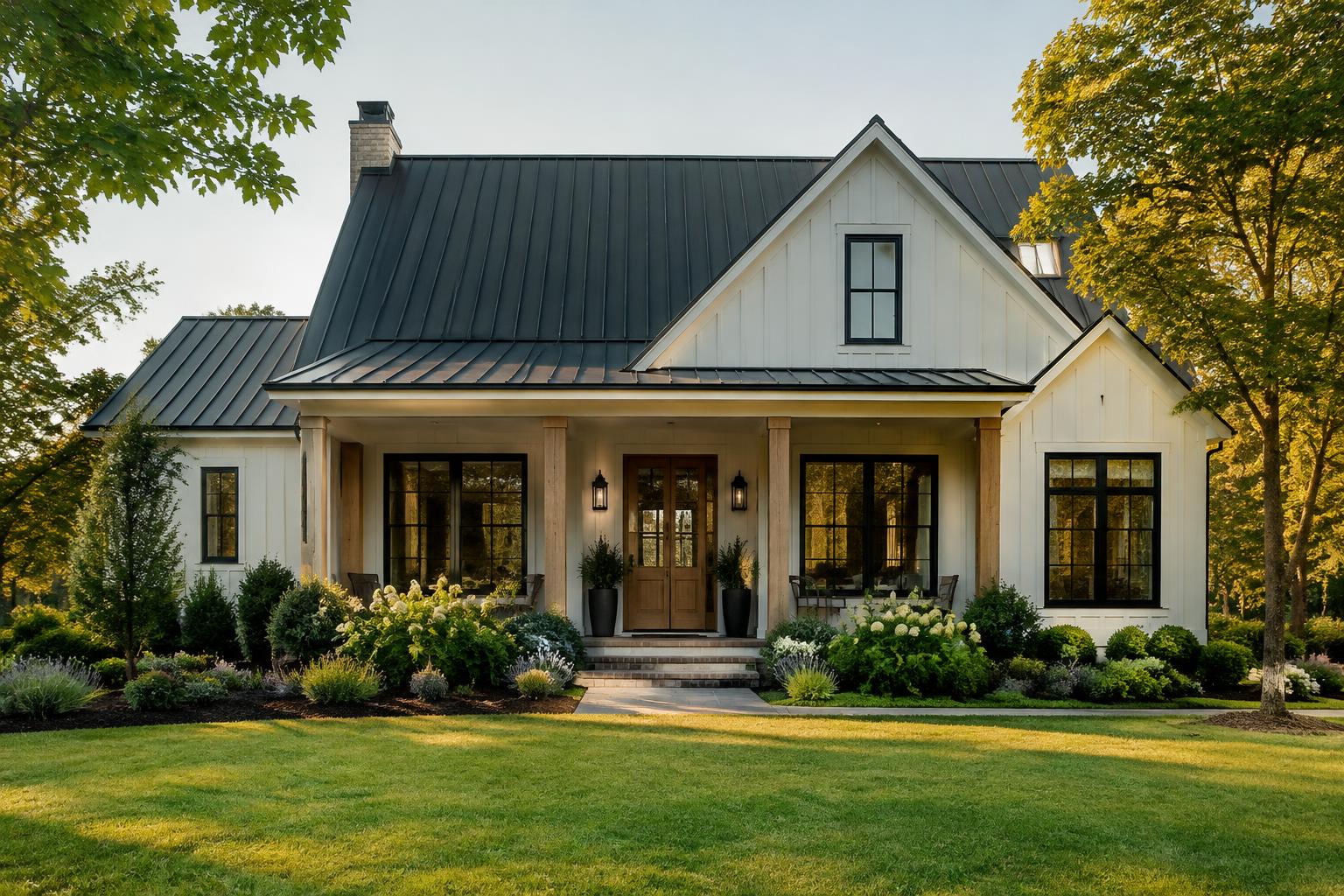
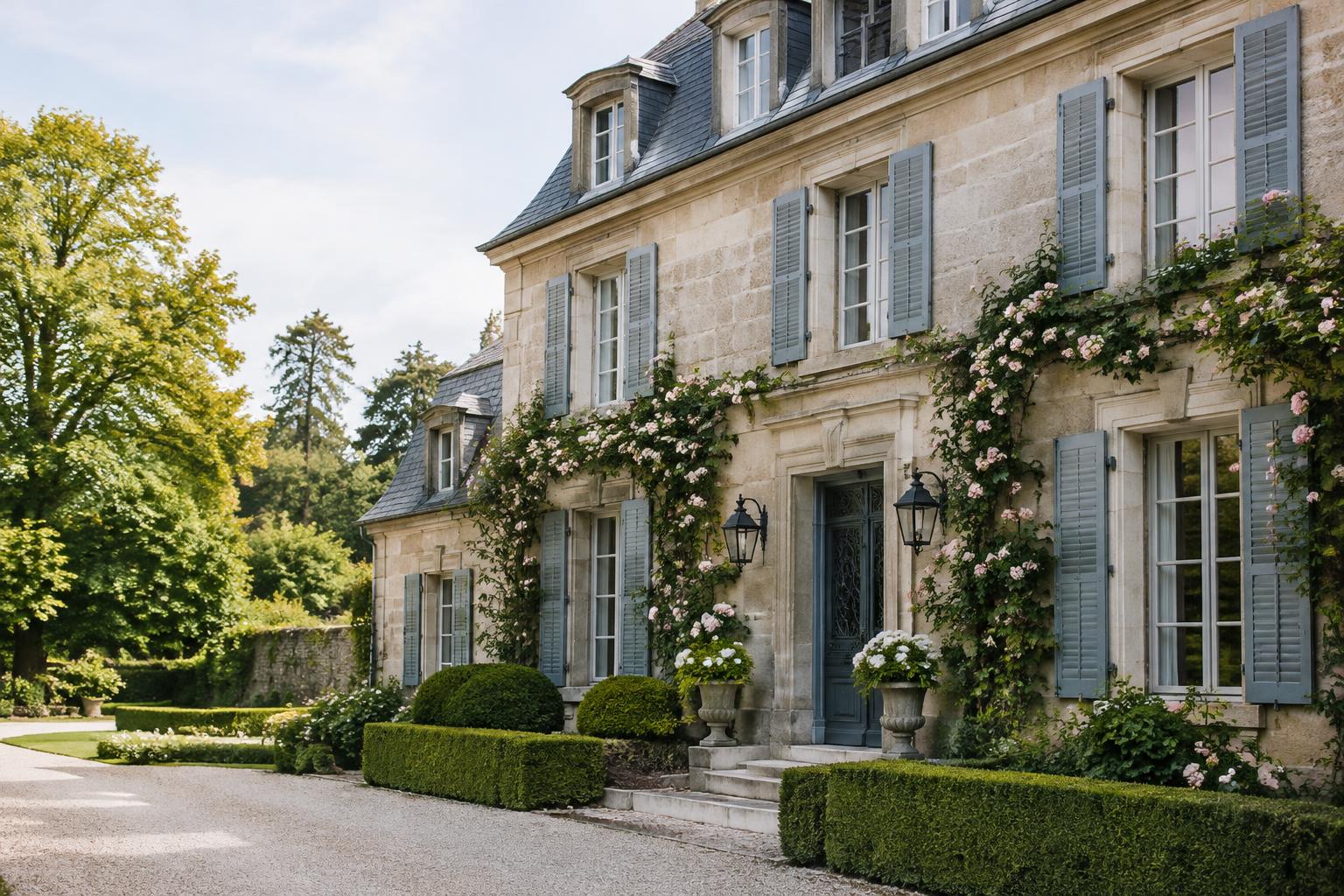
European homes have a way of looking beautiful no matter when they were built. Steep slate roofs, symmetrical windows, painted shutters and warm stone or plaster walls all say the same thing: this house has been here a long time, and it plans to stay. The colors play a big part in that feeling. They are soft, layered and rooted in natural materials, never loud or trendy. If you love that classic, elegant look, the right exterior palette can bring it home. This guide explains what makes European color schemes so timeless, how to choose colors that suit your materials and roof, and then shares ten palettes with the body, trim, shutter and roof colors laid out for you.
What Makes a Palette Look European
European exteriors share a few traits, whether they are French, English, Belgian or German in style. Muted, natural colors. Limestone, plaster cream, soft gray, honey stone and weathered brown look like they come from the earth rather than a paint can. Quiet contrast. Trim is usually a soft ivory or off-white, not a stark bright white, which keeps the look warm and refined. Dark, rich accents. Shutters, doors and ironwork are often deep green, black, charcoal, oxblood or slate blue. Natural materials. Stone, brick, slate, timber and copper all show through, so the paint colors have to work with them. Symmetry and restraint. A simple three or four color palette suits the balanced, orderly design of European architecture.
Start with Your Materials and Roof
Before you choose a body color, take stock of what is fixed on your home. In European styles, the materials do much of the talking. Roof: Slate, zinc, clay tile and dark shingles each have a different undertone. Hold paint chips against your actual roof outdoors. Stone, brick and stucco: If part of the facade is stone or brick, pull your trim and shutter colors from those tones. Windows: The color of your window frames sets the tone for the trim, so decide on it early. Landscaping: Boxwood hedges, climbing roses, lavender and gravel paths are part of the picture, so choose colors that flatter them. The best European palettes feel like they belong to the materials around them, so spend time comparing colors side by side.
10 European Exterior Color Palettes
The swatches and hex codes below are close on-screen approximations. Always bring them to your paint store for matching and test real samples on your home before you buy.
1. French Chateau Limestone with Slate Blue
Warm limestone walls with soft ivory trim feel graceful and stately. Slate blue-gray shutters echo the roof and add a calm, elegant contrast. Best for: French-inspired homes, chateau styles and larger symmetrical facades.
2. Parisian Pearl Gray
Soft pearl gray looks like the limestone buildings of Paris. Charcoal shutters and a zinc roof add a crisp, city-chic finish. Best for: Townhomes, urban homes and modern homes with French influence.
3. English Cottage Honey Stone
A warm honey stone color feels like cottages in the Cotswolds. Hunter green accents add a classic, storybook touch. Best for: Cottages, small homes and gardens full of flowers.
4. Tudor Cream with Dark Timber
Creamy plaster walls with deep timber trim create the iconic Tudor look. An oxblood door adds richness and historic character. Best for: Tudor revival and half-timbered homes.
5. Georgian Soft White with Black
A soft white body with black shutters and a black door is formal, balanced and endlessly elegant. Best for: Georgian, Colonial Revival and symmetrical brick or stucco homes.
6. Provence French Country
Sun-washed sand walls and soft lavender-gray shutters feel like the south of France. Terracotta tile completes the look. Best for: French country homes and gardens with lavender and olive trees.
7. Belgian Greige
A calm, quiet greige feels refined and understated. Deep taupe accents keep the palette warm and cohesive. Best for: Modern European homes and anyone who prefers a soft, neutral look.
8. Alpine Chalet Warm White
Warm white walls with natural timber details feel cozy and mountain-ready. Forest green shutters add a traditional touch. Best for: Chalet-style homes and properties with woods or mountain views.
9. Dutch Brick Red with White Trim
Warm red brick with crisp white trim is a classic in the Netherlands and across Northern Europe. Deep green accents make it feel balanced. Best for: Brick homes and tree-lined streets.
10. Scandinavian Soft Blue-Gray
A cool blue-gray feels fresh and calm, like a quiet morning in northern Europe. Navy accents bring depth and elegance. Best for: Coastal homes, cottages and modern farmhouses with a Nordic feel.
How to Use Each Color
European palettes look best when each color has a clear job. Body: The main wall color. Choose something soft and natural that suits your stone, brick or plaster. Trim: Window frames, cornices and corner details. Keep it a creamy off-white or a deep timber color for a historic look. Shutters and door: The place for your richest color. Deep green, charcoal, black, oxblood and navy all look elegant. Ironwork and lanterns: Black, bronze or aged copper add finishing touches. Roof: Treat it as a fixed color and build the rest of the palette around it.
Choosing the Right Finish
The sheen of your paint affects both appearance and durability. Stucco and plaster walls: flat or low-sheen finishes look soft and authentic. Trim and shutters: satin or semi-gloss helps the details stand out and wipes clean easily. Doors: semi-gloss or gloss gives a rich, polished look. Wrought iron and metal: use a rust-inhibiting metal paint in satin or semi-gloss. Stone and brick: many owners leave them natural, since painting masonry is hard to undo. Always follow the product label for temperature range, primer needs and drying times.
How to Test Your Colors
Subtle, muted colors can look very different from chip to wall, so testing matters. 1. Paint large samples, at least two feet square, on primed boards or directly on the wall. 2. Place them next to stone, brick and roofing, so you can see how they relate. 3. Move them around the house. North and south walls can look quite different. 4. Check them at different times of day, including morning, midday and evening. 5. Step back to the street and see how the palette reads from a distance.
Common Mistakes to Avoid
Choosing a trim color that is too stark. Bright white can look harsh next to warm stone. A creamy ivory is often softer. Using too many colors. European style is about restraint, so keep to three or four. Ignoring undertones. A cool gray can look odd beside warm brick, so compare colors side by side. Painting over beautiful masonry. Fine stone and brick are part of the charm, so think twice before covering them. Forgetting local rules. If you live in a historic district or HOA, check the guidelines before you buy paint.
Final Thoughts
A classic, elegant European look comes from restraint, natural color and attention to detail. Start with your roof and materials, choose a soft body color that feels like it belongs, add creamy trim and finish with shutters and a door in a deep, rich shade. Test your samples in real light, take your time and trust your eye. With a thoughtful palette, your home can look beautiful, refined and timeless for generations to come.
The cover image is AI-generated. House color examples use the hex codes from the article, which are on-screen approximations.