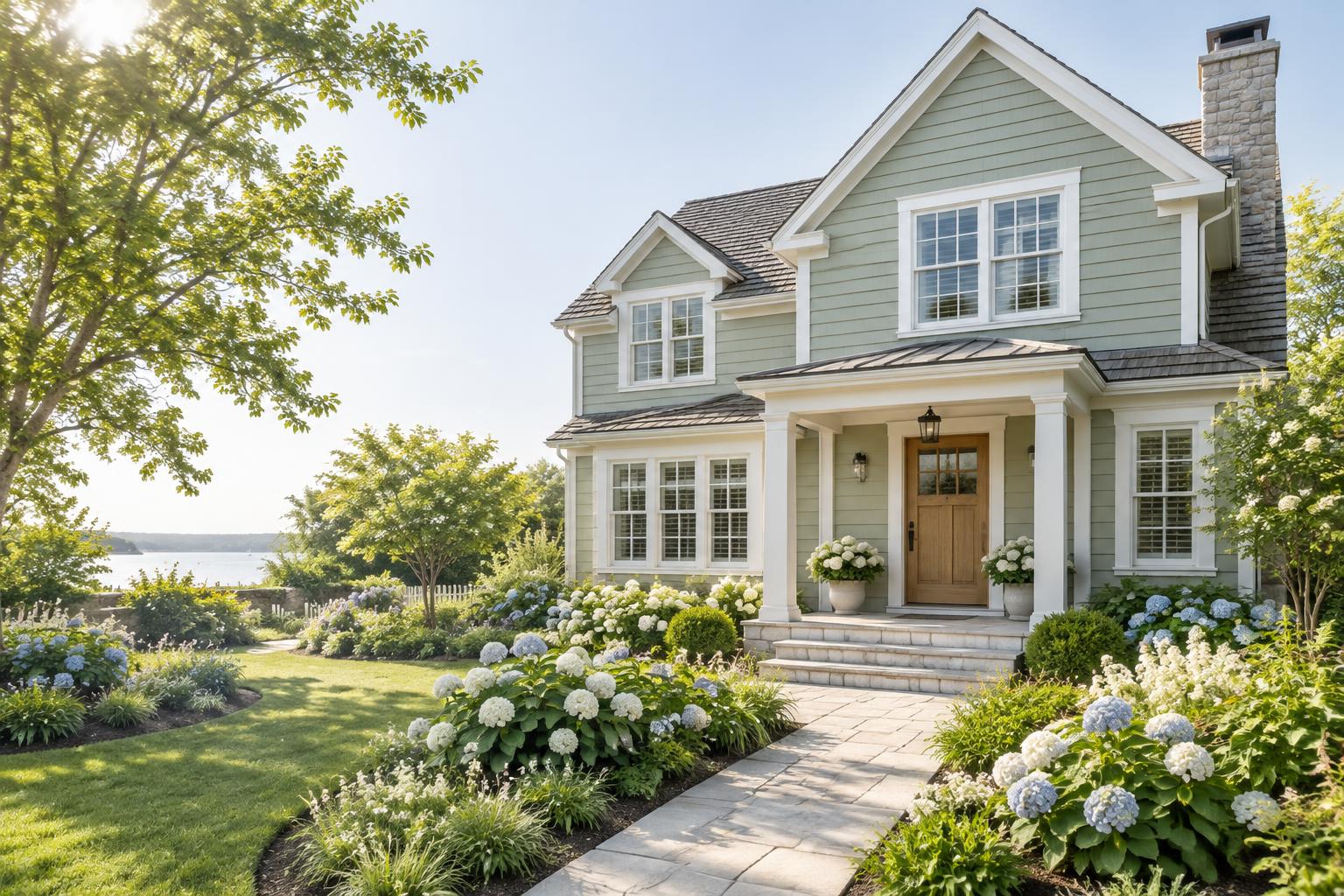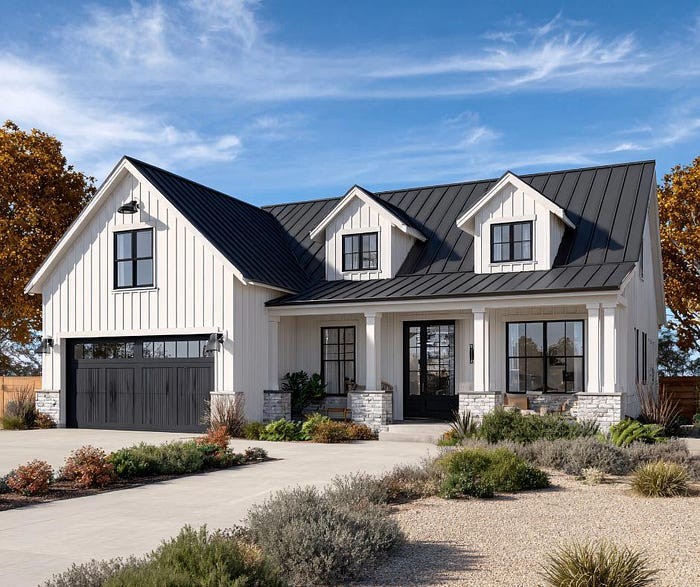
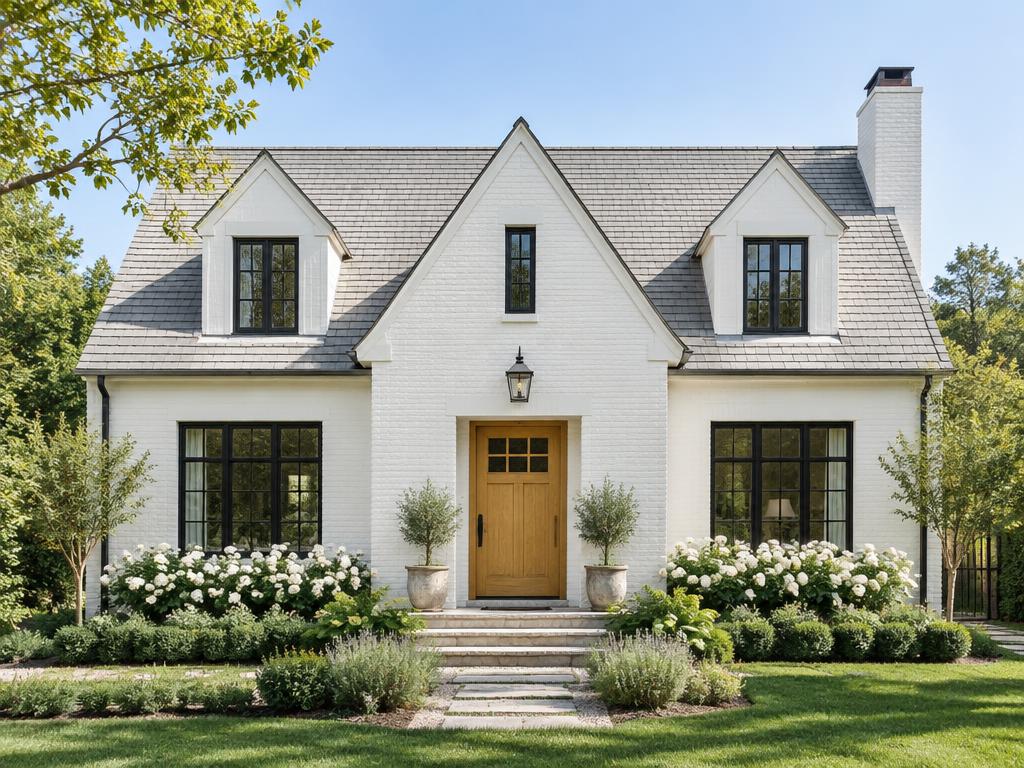
Choosing an exterior paint color is a bigger decision than picking a favorite color from a paint chart. The right combination should work with your roof, windows, landscaping, architecture, and the amount of natural light your home receives. The good news? You don’t need dozens of colors. A simple 3-color formula can create a beautiful, cohesive exterior.
1. Start With Your Home’s Fixed Features
Before choosing paint, look at the parts of your house that won’t be changing. Consider your: • Roof color • Brick or stone • Driveway • Windows • Front door • Existing landscaping Your exterior paint should complement these elements rather than compete with them. Quick tip: If your roof or brick has warm undertones, warm paint colors usually create a more cohesive look. Cool-toned materials often work well with grays, blues, and other cool colors.
2. Choose Your Main Exterior Color
Your main color covers the largest area of your house, so start here. Popular exterior choices include: • Warm white • Cream • Beige • Greige • Light gray • Sage green • Blue-gray • Navy For a timeless look, choose a color that you can imagine living with for several years — not simply the color that’s trending right now.
3. Use the 3-Color Formula
One of the easiest ways to create a balanced exterior is: Main Color + Trim Color + Accent Color For example: • Warm White + Black + Natural Wood • Sage Green + Cream + Dark Brown • Light Gray + White + Charcoal Keep the main color dominant, use the trim to define architectural details, and reserve the accent for smaller areas such as the front door or shutters.
4. Consider Your Home’s Architecture
Different architectural styles can handle color differently. Modern Farmhouse: Try white or warm white siding with black, charcoal, or natural wood accents. Traditional Home: Cream, beige, gray, and classic white can create a timeless appearance. Cottage: Soft greens, muted blues, creams, and warm neutrals can emphasize a cozy character. Craftsman: Earthy greens, browns, warm grays, and darker accents can complement natural materials. The goal isn’t to follow a strict rule. Use the architecture as a starting point and choose colors that emphasize the features you like most.
5. Think About Natural Light
The same paint color can look surprisingly different depending on the light. A color may appear: • Lighter in strong sunlight • Darker in shaded areas • Warmer in afternoon light • Cooler on cloudy days This is why a tiny paint chip isn’t enough. Paint large sample areas on different sides of your house and look at them throughout the day before making your final decision.
6. Don’t Forget the Trim
Trim can completely change how your exterior color looks. For a classic appearance, try: White siding + white trim + black door For something softer: Greige siding + cream trim + dark brown door For a more dramatic look: Light gray siding + white trim + charcoal door You can also use trim to highlight interesting architectural details around windows, porches, rooflines, and doors.
7. Choose Your Front Door Accent
Your front door is an opportunity to add personality without repainting the entire house. Popular choices include: • Black • Deep navy • Forest green • Natural wood • Burgundy • Terracotta If your exterior already has several colors, keep the door simple. If your siding and trim are neutral, a stronger door color can create a focal point.
8. Look at Your Home From the Street
Don’t choose your exterior colors while standing right next to the wall. Step back and look at your house from the street. Ask yourself: • Does the main color stand out too much? • Does the trim define the house clearly? • Does the front door attract attention in the right way? • Do the colors work with the roof and landscaping? The exterior should look balanced from a distance as well as up close.
9. Avoid Choosing Too Many Colors
More colors don’t necessarily make an exterior more interesting. A simple palette of three coordinated colors is often enough: • 60% — Main exterior color • 30% — Trim color • 10% — Accent color This keeps the exterior visually organized while still giving you room to add personality.
10. Visualize Before You Buy
Still unsure which colors will work on your house? Don’t rely only on paint swatches. Seeing a color combination on an actual home can make the decision much easier. Upload a photo of your house and experiment with different exterior colors before buying paint or materials. Try warm white, sage green, navy, gray, charcoal, and other combinations to see which look works best with your home’s architecture. Preview it. Compare it. Then decide.
The cover photo is an AI-generated illustration.