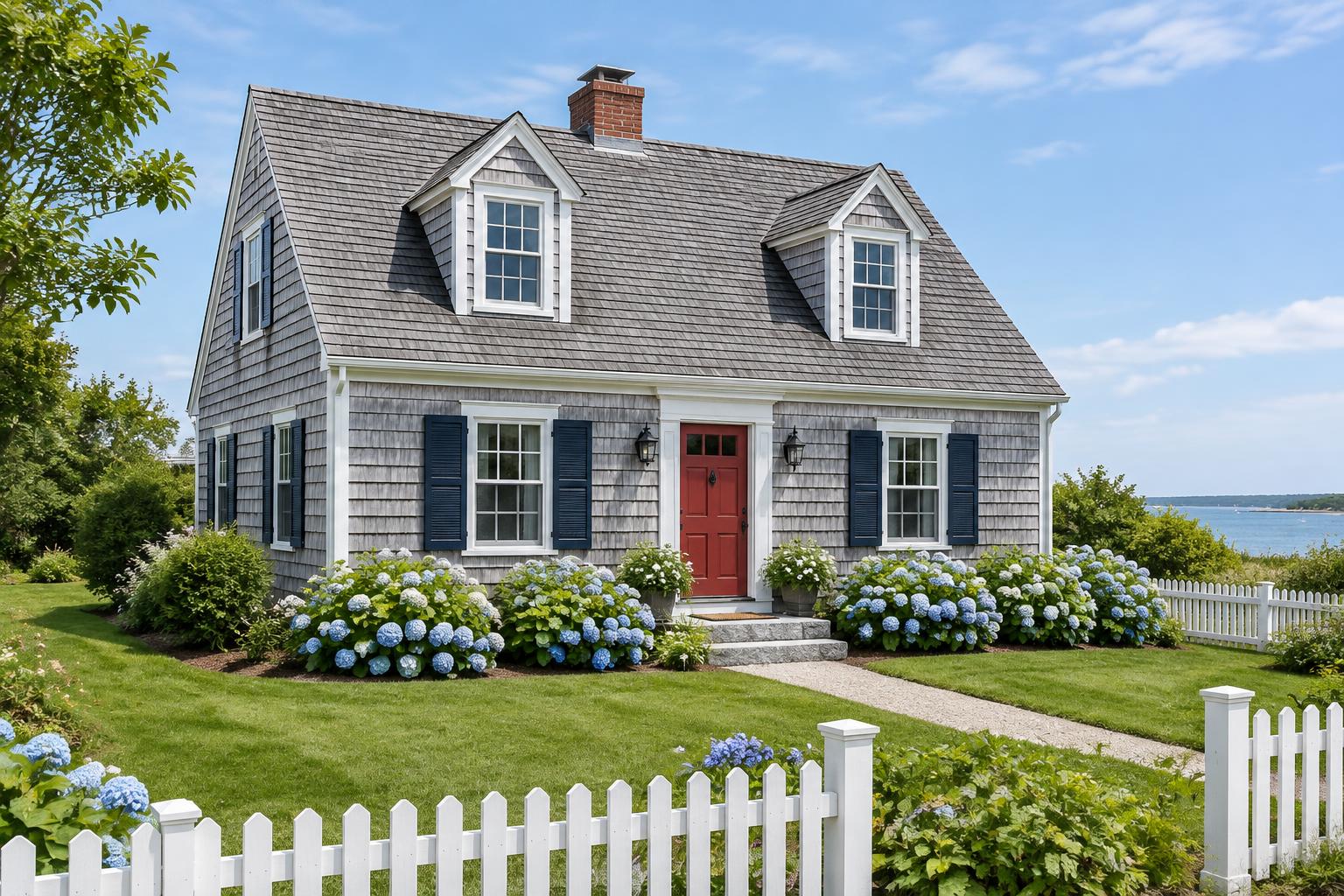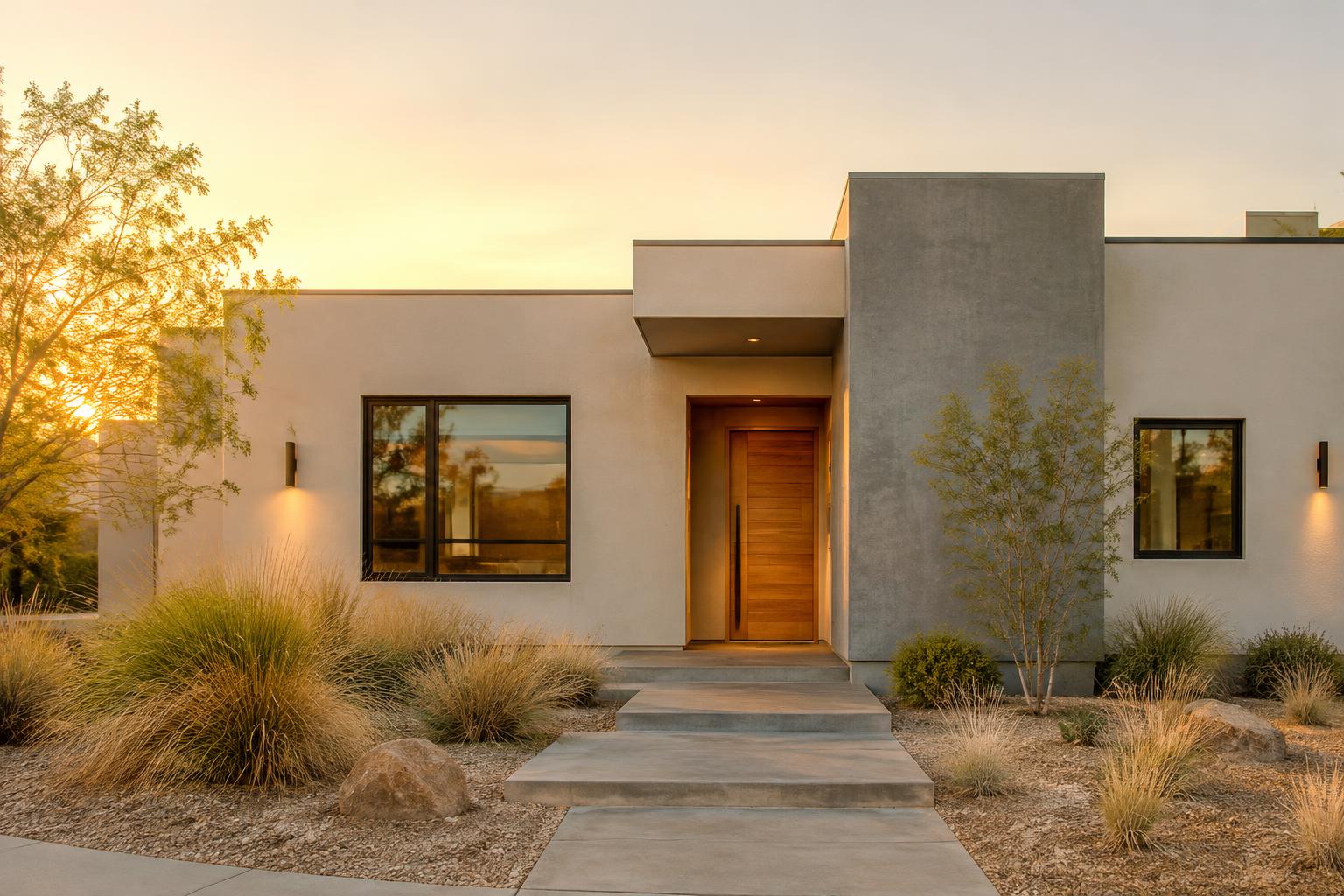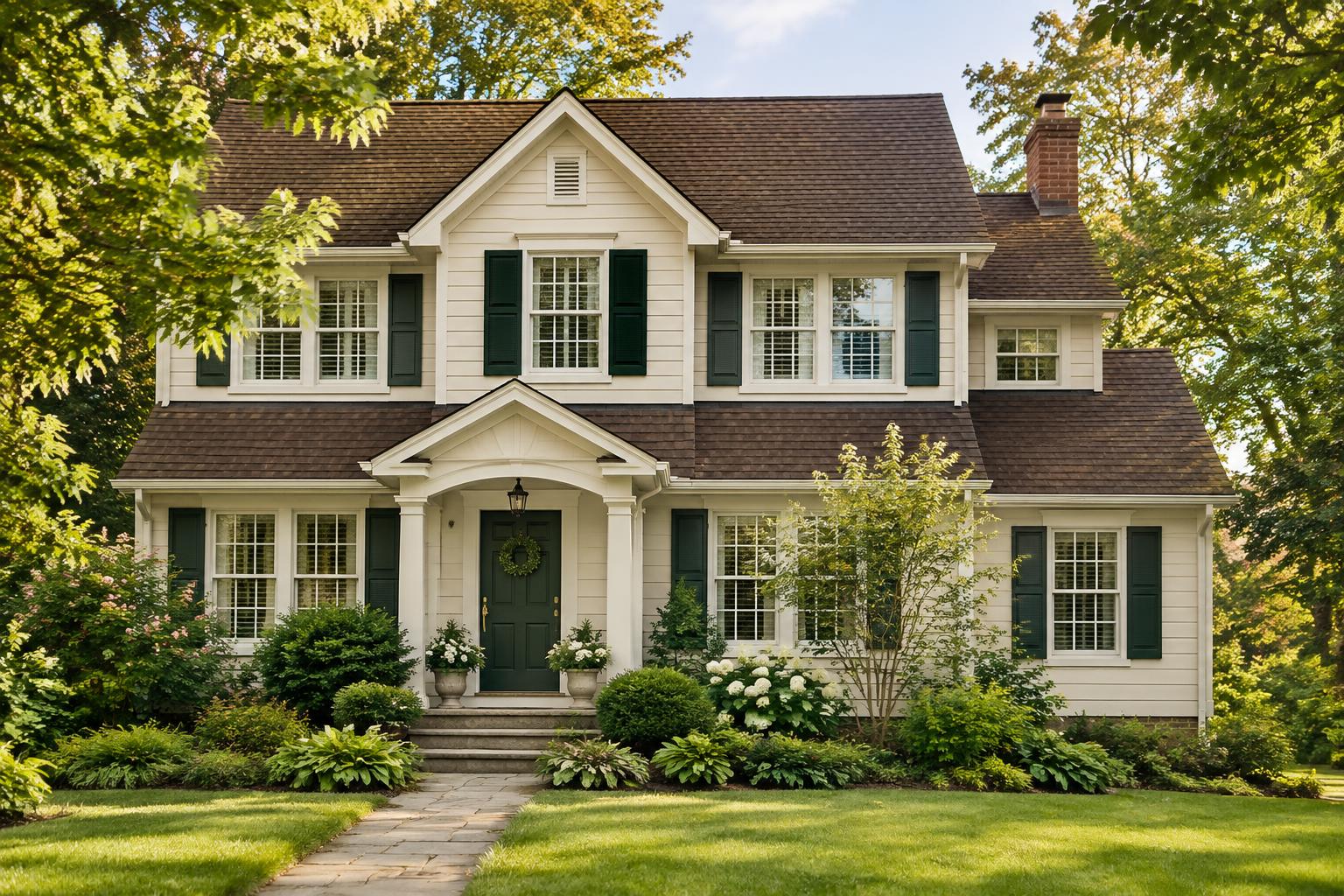
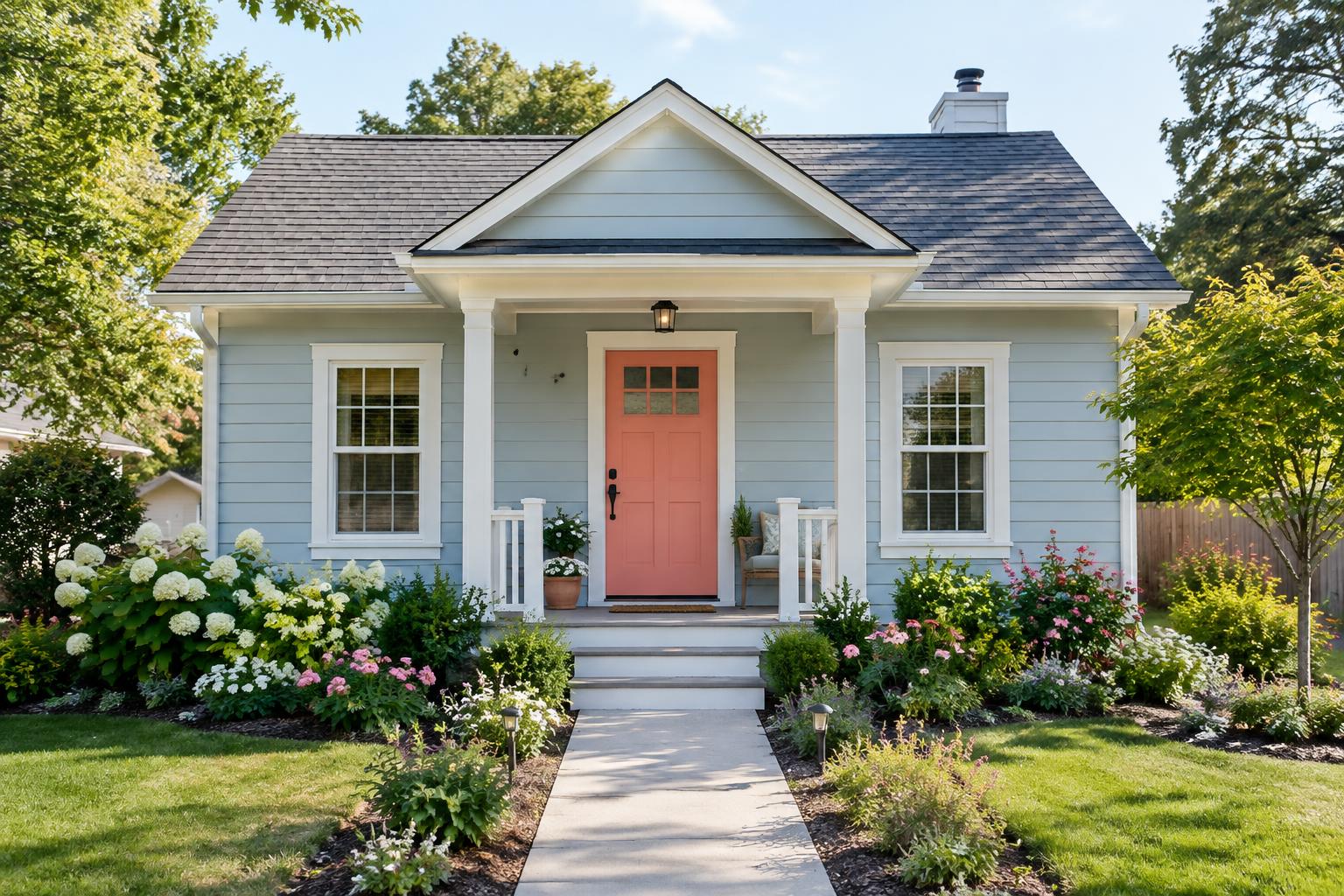
A small house has a lot going for it. It is cozy, easy to care for and often full of character. But a compact footprint also means your exterior paint colors do an extra-big job. The right palette can make a small home feel open, balanced and welcoming. The wrong one can make it look boxy, chopped up or even smaller than it is. The good news is that small houses are surprisingly forgiving. With a few simple design principles and a good palette, a small home can look like the best house on the street. This guide explains how color affects the way a small house looks, then shares ten palettes with body, trim, door and accent colors, complete with hex codes, so you can picture the finished result.
How Color Changes the Look of a Small House
Color affects how big or small a house feels, and a few basic ideas make a real difference. Light colors reflect more light. Soft whites, creams, pale grays and gentle sage tones make walls feel airier and a little larger. Fewer colors look bigger. A simple palette of three or four colors keeps the house looking calm and cohesive instead of busy. Low contrast blends, high contrast outlines. Soft contrast between body and trim looks serene. Crisp contrast draws attention to the shape and details. Dark colors can look cozy and rich. A deep green or navy can make a small home feel snug and sophisticated, as long as the trim is lighter. Color placement matters. Using one color on the body and one on the trim keeps the facade clean, while too many accent colors can break it up.
Start with Your Roof and Surroundings
Before you choose a body color, look at what will stay the same. Roof: Gray, black and brown roofs each lean cooler or warmer. Hold paint chips against your roofing in daylight. Brick, stone and siding: If part of your house is masonry, pull colors from its undertones. Landscaping: Trees, shrubs and flowers become part of your palette, so choose colors that flatter them. Neighbors and street: A small house often sits close to others, so make sure your palette feels harmonious with the neighborhood. Light: A shady lot can make colors look darker and cooler, while a sunny one can make them look lighter and warmer.
10 Palettes for a Small House
The swatches and hex codes below are close on-screen approximations. Always bring them to your paint store for matching and test real samples on your home before you buy.
1. Soft White with Black Windows
White walls and black window frames make a small house look crisp, modern and bigger than it is. A wood door adds warmth and an aqua porch ceiling adds a gentle surprise. Best for: Modern cottages, small farmhouses and tiny homes.
2. Warm Greige with Cream Trim
A soft greige is a calm, flexible neutral that suits almost any roof. Navy and bronze add depth without crowding the facade. Best for: Traditional small homes and starter homes.
3. Light Sage with White Trim
Soft sage helps a small house blend into its garden and feel peaceful. White trim keeps it fresh, and walnut accents ground the palette. Best for: Cottages, bungalows and homes surrounded by greenery.
4. Pale Blue-Gray with a Coral Door
A light blue-gray feels airy and open. A cheerful coral door gives a small house plenty of personality. Best for: Beach cottages and sunny coastal neighborhoods.
5. Butter Cream with Teal Accents
A warm cream looks sunny and welcoming, especially on a shady lot. Green and teal accents bring in a storybook feel. Best for: Cottages, cabins and homes that want a cheerful look.
6. Soft Gray Monochrome
A tone-on-tone palette makes a small house feel seamless and larger. A charcoal door adds just enough contrast. Best for: Modern small homes and minimalist styles.
7. Blush Beige with an Olive Door
A soft blush-beige feels warm and gentle. An olive door and taupe details make it feel natural and refined. Best for: Stucco homes and small houses with warm landscaping.
8. Light Taupe with a Burgundy Door
A light taupe feels grounded and classic. A burgundy door adds richness and a bit of romance. Best for: Traditional homes with brown roofs and brick details.
9. Pale Yellow with a Navy Door
Soft yellow brightens a small house and makes it feel happy. A navy door gives it a polished, classic look. Best for: Small cottages and homes on shady lots.
10. Deep Green with Cream Trim
A bold, deep green makes a small house feel cozy and sophisticated. Cream trim lightens the look, and a mustard door glows against it. Best for: Cabins, cottages and wooded lots.
Design Tricks for Small Houses
A few simple moves can make a small home feel bigger and more polished. Paint the trim lighter than the body. Light trim outlines the windows and roofline, so the house feels more defined. Match the garage door and gutters to the trim or body. Fewer colors make the facade feel larger. Make the front door the star. A bold door color gives a small house a strong focal point. Use vertical lines. Tall shutters, board-and-batten or vertical accents help the house feel taller. Keep the porch simple. A porch painted in the trim color or a soft contrast makes the entry feel welcoming. Repeat colors. Echo your door color in planters, lights or house numbers.
Choosing the Right Finish
The sheen of your paint affects both appearance and durability. Siding and stucco: flat or low-sheen finishes look soft and natural. Trim and shutters: satin or semi-gloss helps the details stand out and wipes clean easily. Doors: semi-gloss or gloss gives a polished, durable finish. Porch floors: use a floor-rated enamel in satin. Always follow the product label for temperature range, primer needs and drying times.
How to Test Your Colors
Small houses often have tight spaces and shared shade, so testing is especially important. 1. Paint large samples, at least two feet square, on primed boards. 2. Move them around the house. Sunny and shaded walls can look very different. 3. Check them at different times of day, including morning, midday and evening. 4. Compare them next to your roof, trim and landscaping. 5. Step back to the street and see how the colors read from a distance.
Common Mistakes to Avoid
Using too many colors. Three or four colors are plenty for a small house. Choosing very high contrast everywhere. Strong contrast can chop up a small facade, so use it where you want attention. Ignoring the roof and neighbors. Your palette should feel at home in its setting. Skipping the test. A color that looks perfect on a chip can look very different on a large wall. Forgetting local rules. Check HOA or neighborhood guidelines before you buy paint.
Final Thoughts
A small house is full of potential. Choose a body color that suits your roof and landscape, add trim with the right level of contrast and finish with a door that makes you smile. Keep the palette simple and let the details shine. Test your samples in real light, take your time and trust your eye. With a thoughtful palette, your small house will look bigger, brighter and beautifully welcoming for many years to come.
The cover image is AI-generated. House color examples use the hex codes supplied in the article. These are close on-screen approximations, not exact paint matches; test real samples on your home before buying.